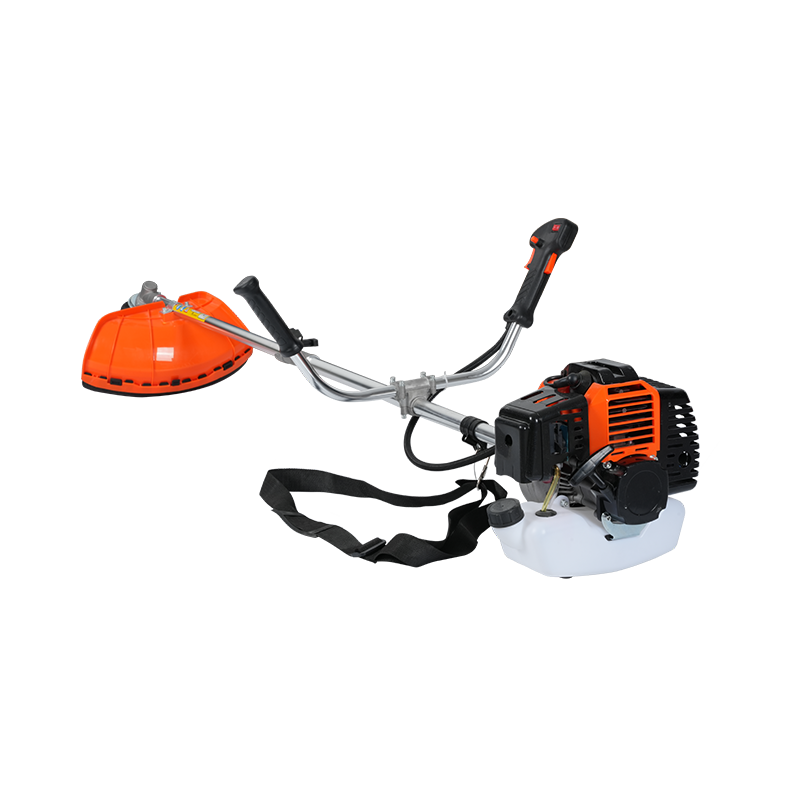
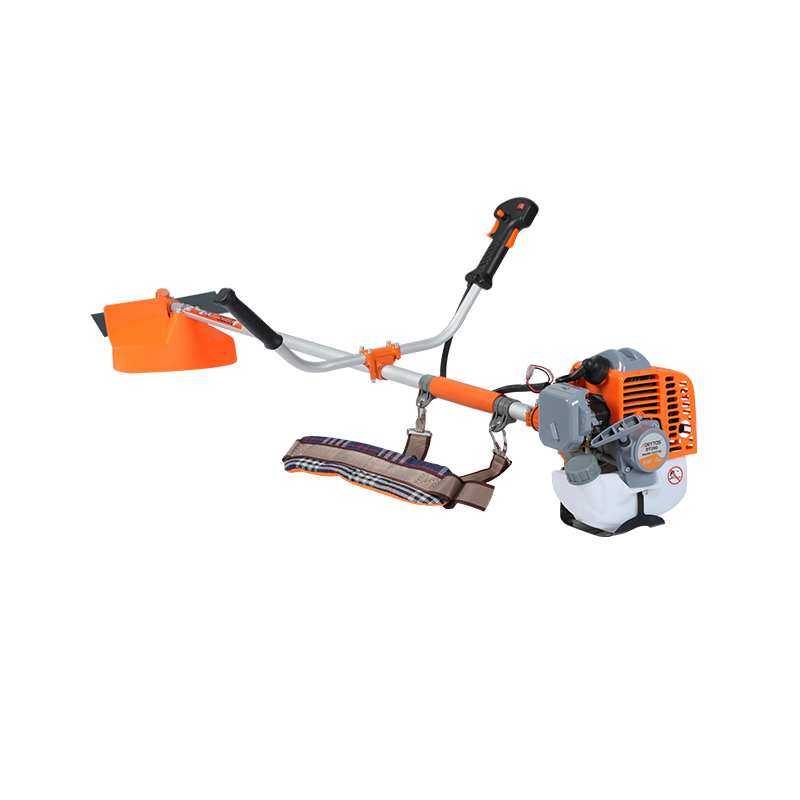
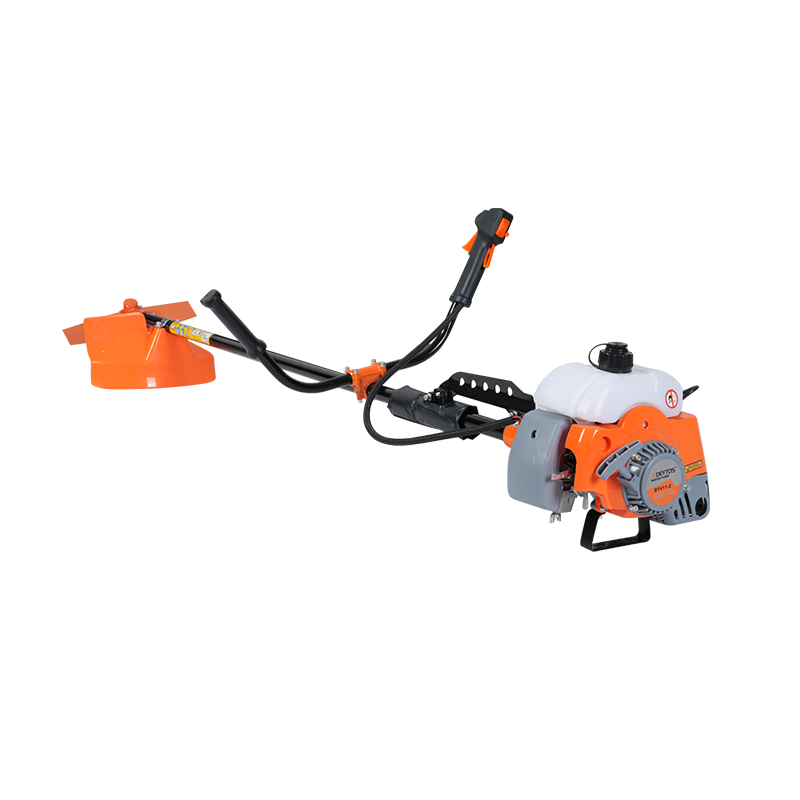
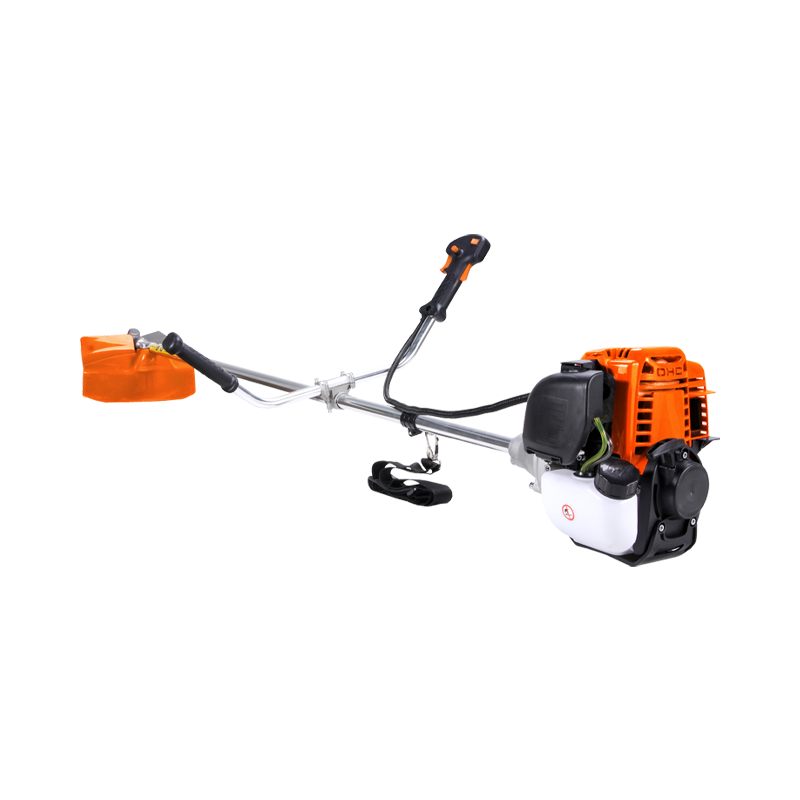
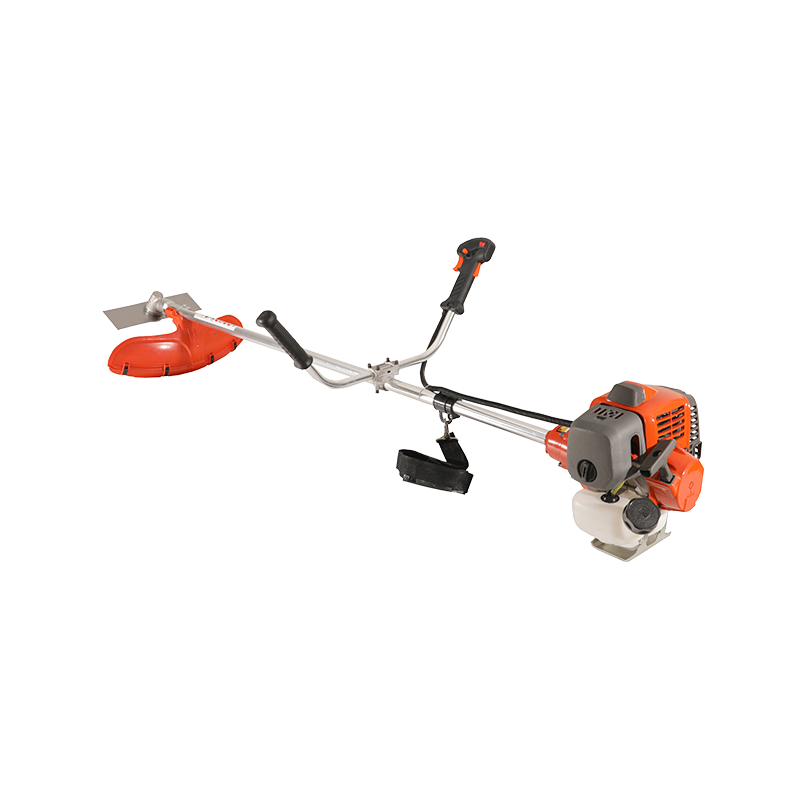
Why choose Professional Gasoline Brush Cutters Supplier for equipment sourcing?
The selection of a Professional Gasoline Brush Cutters Supplier is often linked to equipment consistency, spare part availability, and technical configuration control. In many purchasing scenarios, buyers are not only looking for machines but also for long-term support in parts replacement and operational guidance. Search behavior such as gasoline brush cutter supplier for landscaping equipment, brush cutter wholesale sourcing guide, and commercial brush cutter procurement options, reflects this demand for structured supply channels.
A supplier in this category typically manages a product range that includes different engine displacements, shaft designs, and cutting attachments. This allows distributors and end users to select equipment based on workload intensity rather than a one-size-fits-all model. For example, lighter machines are commonly used in residential garden maintenance, while heavier configurations are applied in roadside vegetation control or farmland clearing.
Technical consistency is another key factor. A professional gasoline brush cutter supplier usually provides standardized interfaces for accessories such as cutting blades, nylon heads, and harness systems. This reduces compatibility issues when replacing parts across different batches of equipment. In addition, suppliers often maintain documentation for torque output ranges and fuel consumption levels, which helps operators plan usage more effectively.
From a maintenance perspective, supply chain structure also influences repair cycles. When replacement components such as carburetors, starter assemblies, or drive shafts are readily available, downtime is reduced. This becomes particularly relevant in commercial landscaping operations where continuous equipment availability is required.
How does the brush cutter design affect field performance?
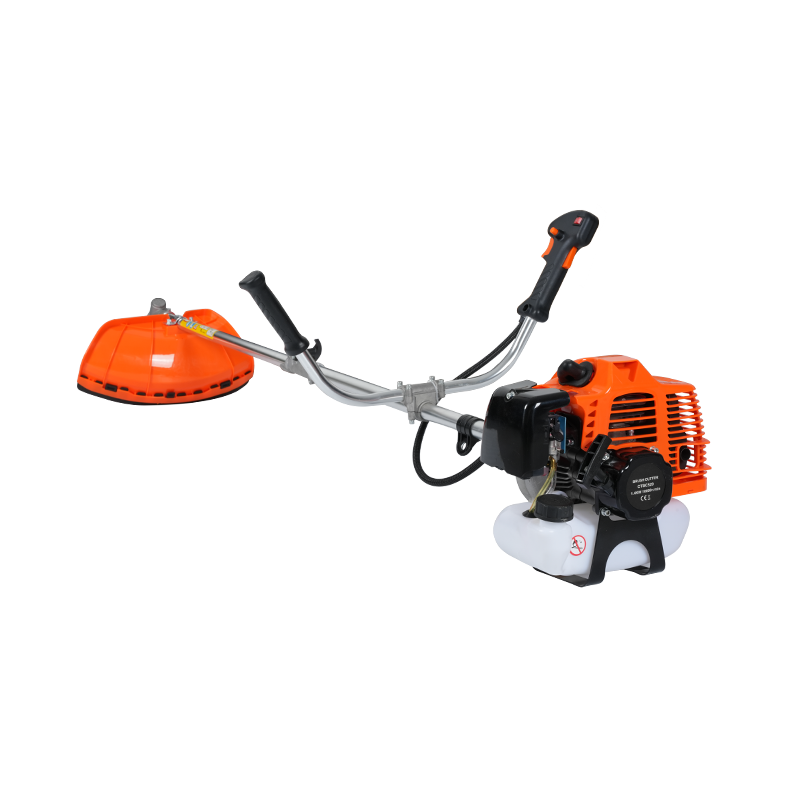
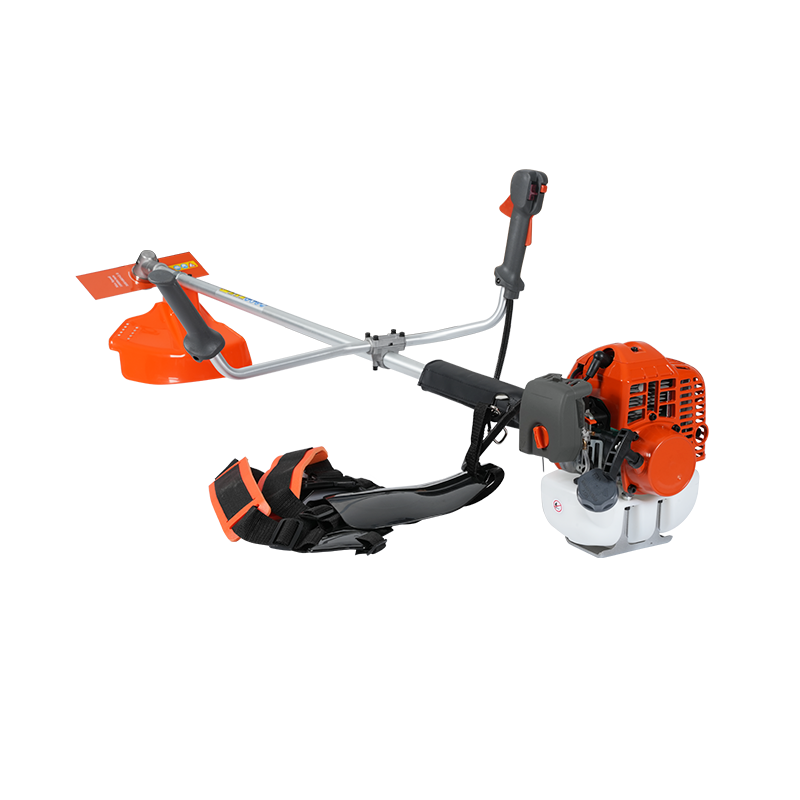
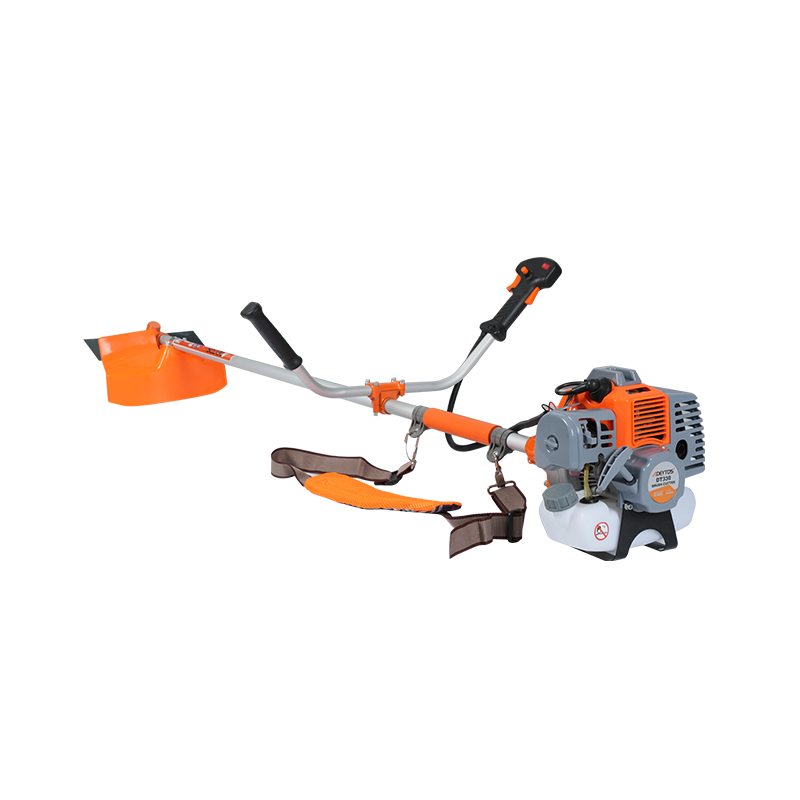
A Brush Cutter is designed to handle dense vegetation, thick grass, and small shrubs through direct rotational cutting force delivered by either a metal blade or nylon line system. Its structure generally includes an engine unit, drive shaft, handle assembly, and cutting head. The balance between power output and weight distribution determines how the machine behaves during extended use.
Operators frequently search for brush cutter blade types for thick grass, brush cutter fuel mix ratio guides, and how to reduce vibration in brush cutter use, which shows that usability and maintenance are central concerns. Proper handling and configuration adjustments can significantly influence cutting efficiency.
Different working conditions require different blade or head configurations. The following table outlines common Brush Cutter configurations and their application scenarios:
|
Cutting Component
|
Application Type
|
Vegetation Density
|
Operational Notes
|
|
Nylon Line Head
|
Lawn trimming
|
Light grass
|
Flexible around edges and obstacles
|
|
3-Tooth Blade
|
Field clearing
|
Medium weeds
|
Balanced cutting and fuel use
|
|
8-Tooth Blade
|
Agricultural land
|
Thick shrubs
|
Requires stable control and higher torque
|
|
Saw Blade
|
Heavy clearing
|
Small woody plants
|
Used in controlled environments only
|
The Brush Cutter also depends heavily on engine tuning and airflow stability. Poor air-fuel balance can cause inconsistent rotation speed, affecting cutting uniformity. Regular filter cleaning and fuel mixture control help maintain steady performance during operation.
Vibration management is another important aspect. Extended use without proper damping can cause operator fatigue and reduce precision. Handle design, shaft alignment, and blade balance all contribute to reduce mechanical vibration. In professional applications, operators often adjust harness systems to distribute weight more evenly across the body.
When is a brush cutter strimmer used in maintenance tasks?
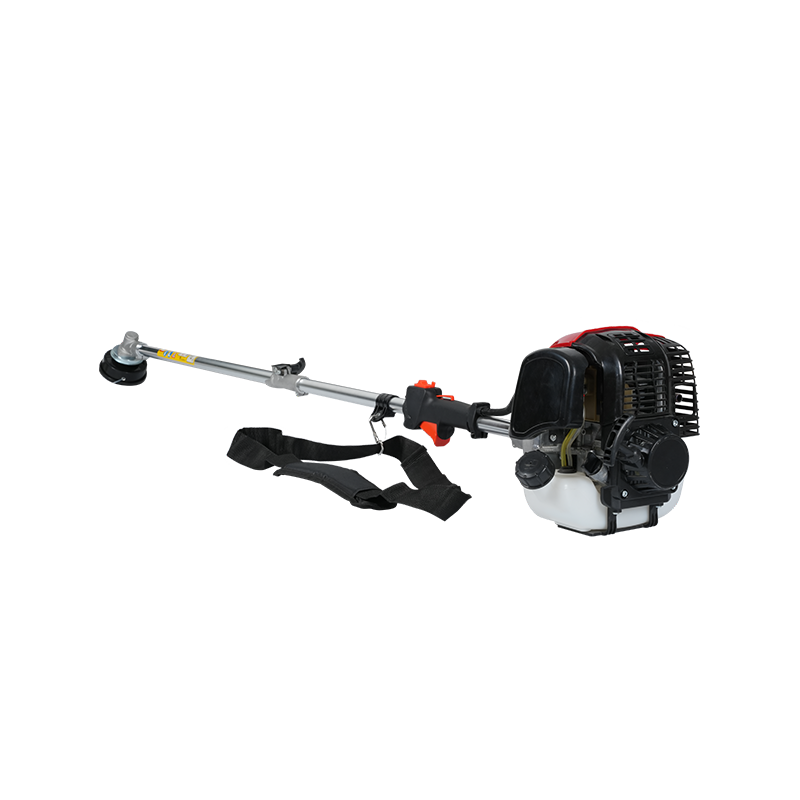
The Brush Cutter Strimmer is a variation of cutting equipment that typically uses a nylon line system instead of metal blades, making it suitable for grass trimming, edge finishing, and light vegetation maintenance. While it shares structural similarities with a standard Brush Cutter, its operational focus is more controlled and surface-oriented.
Search intent patterns such as brush cutter strimmer for garden edging, the difference between strimmer and brush cutter, and brush cutter strimmer line replacement guide highlight user interest in functional differences and maintenance procedures. The Brush Cutter Strimmer is often selected for tasks where precision matters more than cutting force.
Key operational differences can be summarized as follows:
|
Feature
|
Brush Cutter
|
Brush Cutter Strimmer
|
|
Cutting System
|
Blade or line
|
Nylon line only
|
|
Vegetation Type
|
Dense and woody plants
|
Grass and light weeds
|
|
Precision Level
|
Moderate
|
High for edging
|
|
Maintenance Need
|
Blade sharpening or replacement
|
Line replacement and spool care
|
|
Safety Consideration
|
Higher due to blade use
|
Lower impact risk
|
In daily use, the brush cutter strimmer requires frequent line replacement depending on terrain conditions. Hard surfaces such as gravel or concrete edges increase line wear, requiring operators to carry spare spools. The feeding system, whether manual bump-feed or automatic, also influences workflow efficiency.