


 English
 中文简体
中文简体
ADEYTOS
ADEYTOS
ADEYTOS
ADEYTOS
ADEYTOS
ADEYTOS
ADEYTOS
ADEYTOS
ADEYTOS
ADEYTOS
ADEYTOS
ADEYTOS
ADEYTOS
ADEYTOS
ADEYTOS
ADEYTOS

Industry News
Industry News
What Wood Cutting Chainsaw Factory Focuses on During Production
Outdoor machinery continues to evolve as users seek tools that balance mobility, durability, and efficiency. Buyers sourcing from a China Professional Gasoline Earth Augers Supplier, exploring innovations in Design String Trimmer Head, or working with a Wood Cutting Chainsaw Factory are often addressing practical challenges such as soil drilling, vegetation control, and timber processing. These product categories serve different purposes, yet they share common considerations in performance, maintenance, and long-term usability.
What Defines Gasoline Earth Augers in Real Applications
Gasoline earth augers are widely used in agriculture, landscaping, and construction for drilling holes in soil. Their function may appear straightforward, but performance depends on several technical variables. Engine displacement, torque output, and auger bit diameter all influence drilling efficiency.
In real-world conditions, soil composition plays a major role. Soft soil allows for faster penetration, while clay or rocky ground requires higher torque and more durable auger bits. Buyers working with a China Professional Gasoline Earth Augers Supplier often discuss these conditions before selecting a model. This ensures that the equipment aligns with actual usage rather than theoretical specifications.
Another factor is portability. Fieldwork often involves moving equipment across uneven terrain, so weight distribution and handle design affect operator fatigue. A well-balanced auger reduces strain during extended use, which becomes significant in large-scale planting or fencing projects.
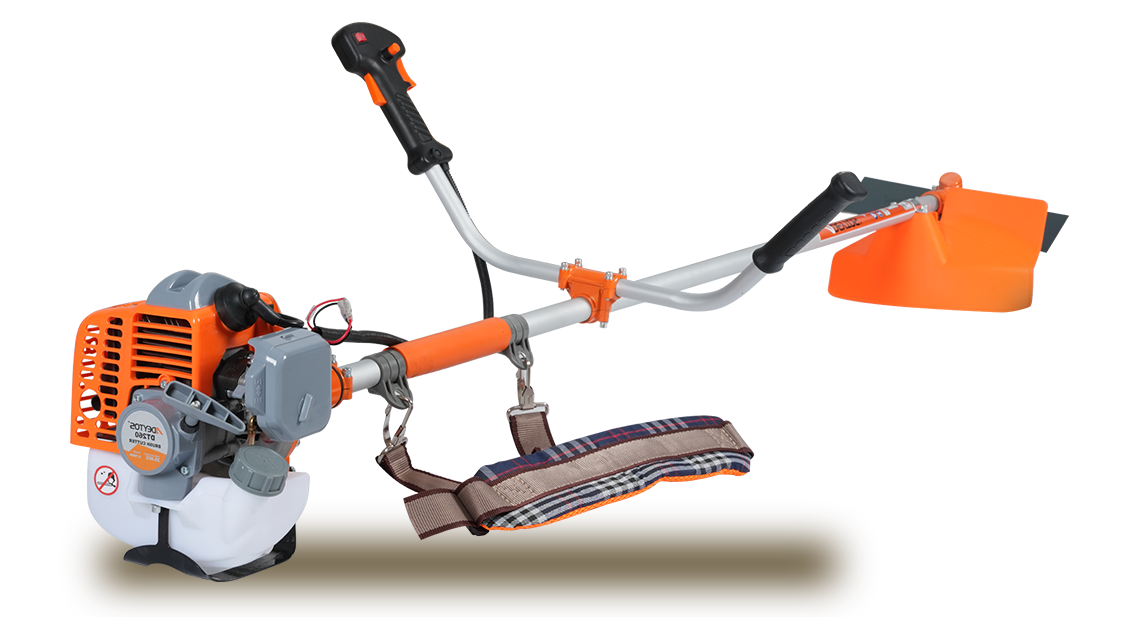
How the Design of the String Trimmer Head Affects Cutting Efficiency
The string trimmer head is a key component in vegetation management tools. Its design directly impacts cutting performance, line replacement convenience, and durability. A Design String Trimmer Head may include features such as automatic line feed systems or reinforced housings to handle different types of vegetation.
Different cutting environments require different configurations. Light grass trimming may only need a simple line head, while dense weeds or brush require thicker lines and more robust designs. Selecting the appropriate head reduces wear on both the trimmer and the operator.
Ease of maintenance is another important consideration. Some designs allow quick line replacement without disassembling the head, saving time during fieldwork. For users managing large areas, this can improve workflow efficiency by reducing interruptions.
Material selection also matters. Components exposed to friction and impact must withstand repeated use. Reinforced polymers or metal inserts are commonly used to extend service life, particularly in demanding conditions.
Why Chainsaw Factory Capabilities Influence Product Performance
A Wood Cutting Chainsaw Factory is responsible not only for assembling chainsaws but also for integrating engine performance, chain design, and safety features into a cohesive product. Chainsaws are used in forestry, construction, and property maintenance, where cutting efficiency and operational safety are closely linked.
Engine power determines cutting speed, but it must be balanced with weight and fuel consumption. Heavier chainsaws may provide higher output but can increase operator fatigue. Manufacturers often adjust engine size and housing materials to achieve a practical balance.
Chain design is another critical element. The shape and sharpness of cutting teeth affect how efficiently wood is processed. Chains must also maintain tension during operation, as improper tension can cause reduced cutting accuracy or increased wear.
Safety features are integral to chainsaw design. Elements such as chain brakes, anti-vibration systems, and ergonomic handles help reduce risks during operation. Buyers evaluating a Wood Cutting Chainsaw Factory often review how these features are implemented rather than focusing solely on engine specifications.
What Buyers Should Consider When Comparing Equipment Types
Although earth augers, trimmer heads, and chainsaws serve different functions, buyers often evaluate them together when sourcing outdoor equipment. One key consideration is compatibility with existing tools. For example, a trimmer head should match the shaft and power output of the trimmer unit.
The operational environment also influences selection. Agricultural settings may prioritize durability and ease of maintenance, while landscaping projects may emphasize precision and maneuverability. Understanding the intended application helps narrow down suitable options.
Fuel efficiency is another factor across all gasoline-powered equipment. Engines that consume less fuel per hour can reduce operating costs over time. However, lower consumption should not compromise the ability to perform required tasks effectively.
Maintenance requirements vary between products. Chainsaws may require regular chain sharpening and lubrication, while trimmer heads need periodic line replacement. Earth augers require inspection of bits and engine components. Buyers should assess whether they have the resources and expertise to maintain each type of equipment.
How Manufacturing Processes Affect Equipment Durability
Production methods influence the lifespan and consistency of outdoor machinery. A China Professional Gasoline Earth Augers Supplier typically follows standardized processes for engine assembly, component testing, and quality inspection. These steps ensure that products meet expected performance levels.
For trimmer heads, precision molding and material selection determine resistance to wear and impact. In chainsaw production, machining accuracy affects how components fit together, which in turn influences vibration levels and operational stability.
Quality control procedures often include performance testing under simulated conditions. This may involve running engines for extended periods or testing cutting components on different materials. Buyers interested in long-term use often inquire about these processes when selecting suppliers.
Where Customization Plays a Role in Equipment Selection
Customization is increasingly relevant for businesses building their own product lines or targeting specific markets. Working with a China Professional Gasoline Earth Augers Supplier or a Wood Cutting Chainsaw Factory allows buyers to adjust product features such as branding, color schemes, and technical specifications.
For trimmer heads, customization may involve adapting the design to fit different trimmer models or user preferences. This can include variations in line feed mechanisms or housing materials.
Engine customization is another aspect, particularly for gasoline-powered equipment. Adjustments to carburetor settings or cooling systems can improve performance in specific climates. For example, equipment used in high-temperature regions may require enhanced heat dissipation.
How Environmental Factors Influence Equipment Performance
Environmental conditions have a direct impact on how outdoor machinery performs. Soil moisture affects auger efficiency, as overly wet soil can stick to the bit, while dry, compact soil may require more power to penetrate.
Vegetation type influences trimmer head selection. Thick, fibrous plants place greater stress on cutting lines, requiring stronger materials. In contrast, lighter vegetation allows for simpler configurations.
For chainsaws, wood type and moisture content affect cutting speed and chain wear. Hardwoods require more power and sharper chains, while softer woods are easier to process but may still require proper maintenance to ensure consistent performance.
Temperature and altitude also play a role. Gasoline engines may experience changes in performance at higher altitudes due to reduced air density. Some manufacturers provide adjustments to accommodate these conditions, which can be important for users working in varied environments.
Quick Links
Salesman
 James Ying
 Phone: +86-19957983888
 Tel: +86-579-87442360
 Fax: +86-579-87442360
 E-mail:[email protected]
- zachary zhang
- Phone: +86-15988579999
- E-mail: [email protected]
Factory Address
-
 No. 2, Lianjie Industrial Base, Zhiying Town, Yongkang City, Jinhua City, Zhejiang Province, China
Mobile
Copyright © Yongkang Adeytos Industry and Trade Co., Ltd.
All Rights Reserved.
 China Brush Cutter Mower