ADEYTOS ADEYTOS ADEYTOS ADEYTOS ADEYTOS ADEYTOS ADEYTOS ADEYTOS ADEYTOS ADEYTOS ADEYTOS ADEYTOS ADEYTOS ADEYTOS ADEYTOS ADEYTOS

Professional Gasoline Chainsaw Factory

Home / Products / Chainsaws

Custom Chainsaw

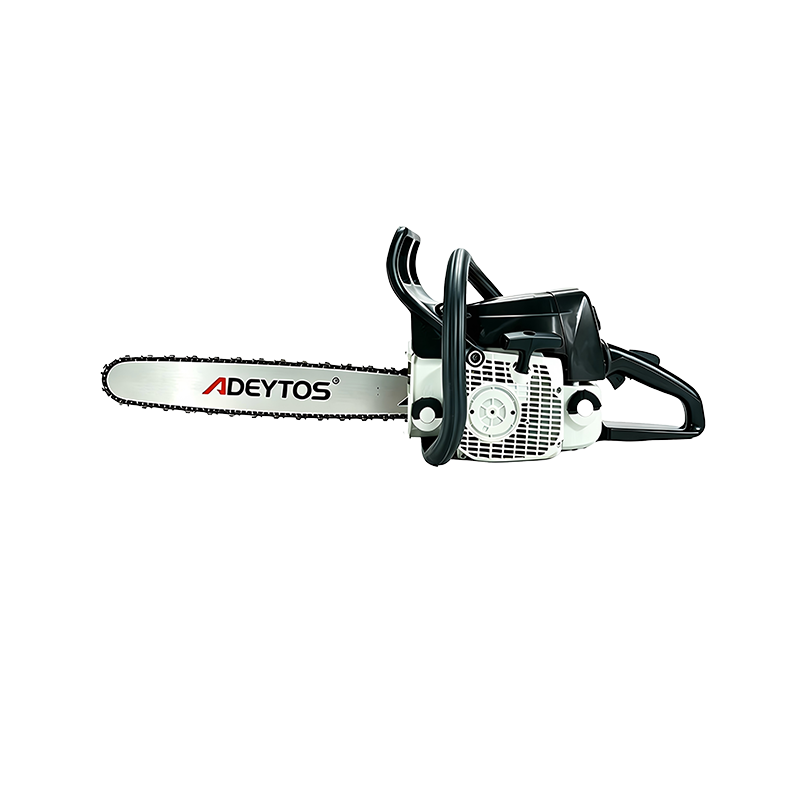
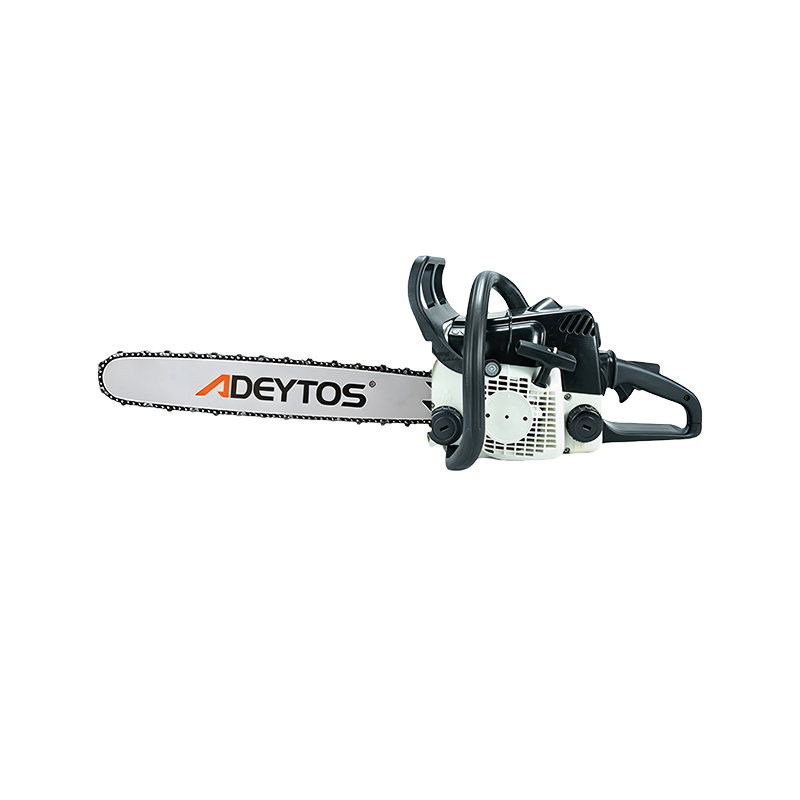
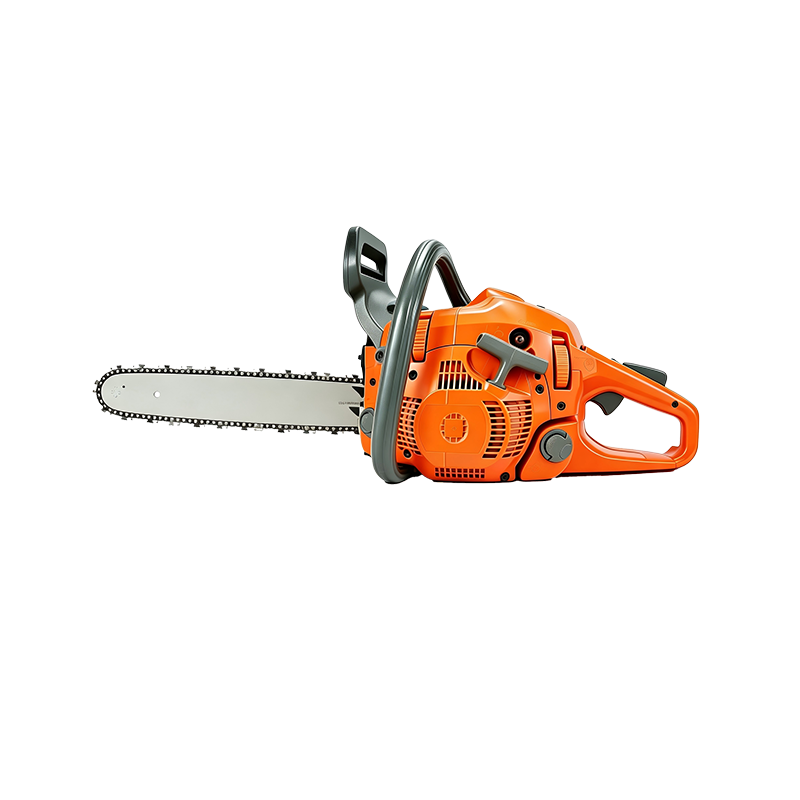
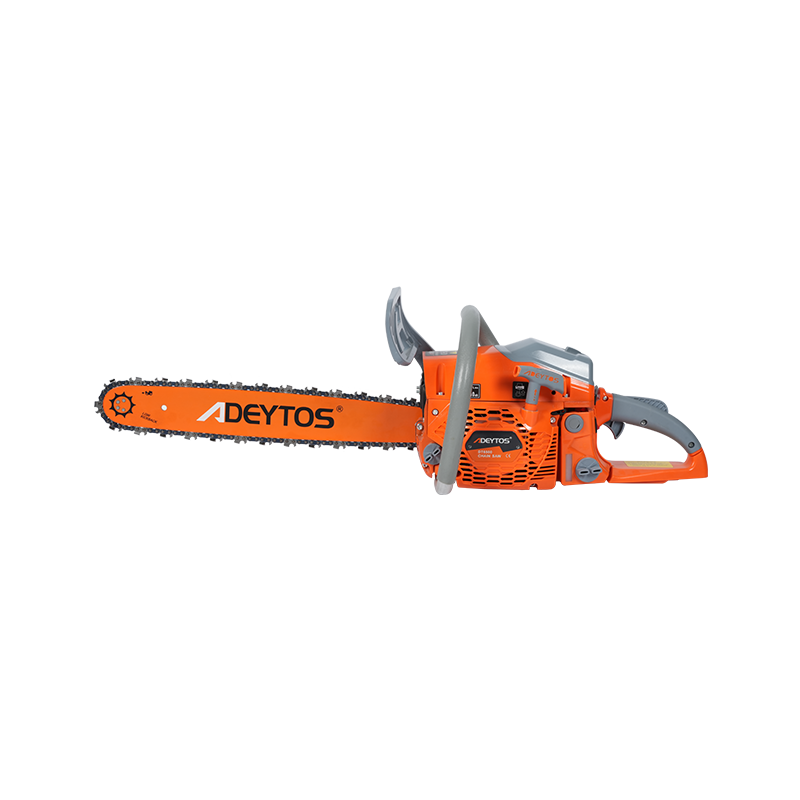
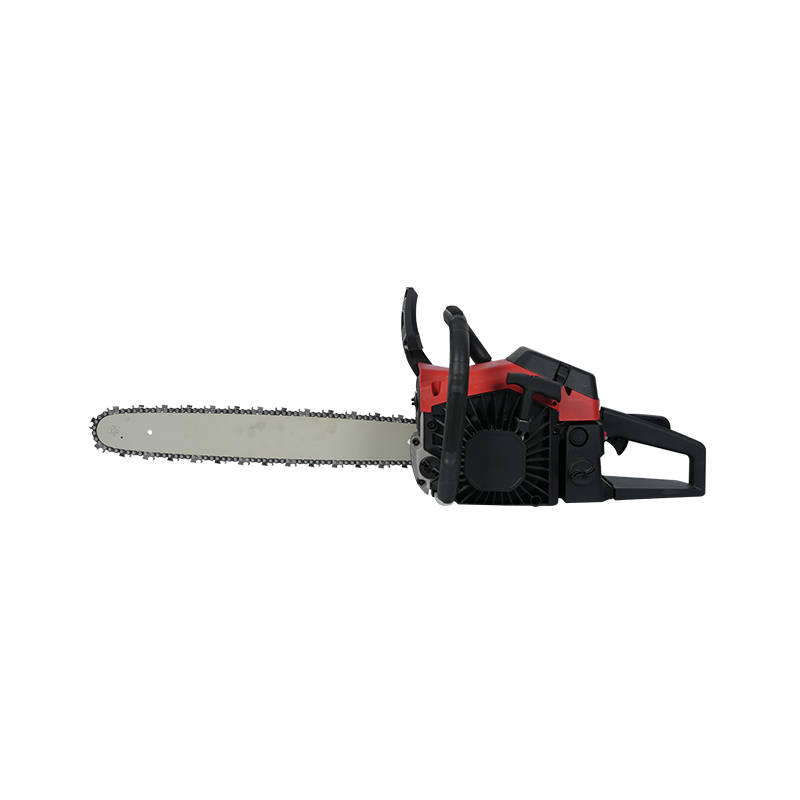
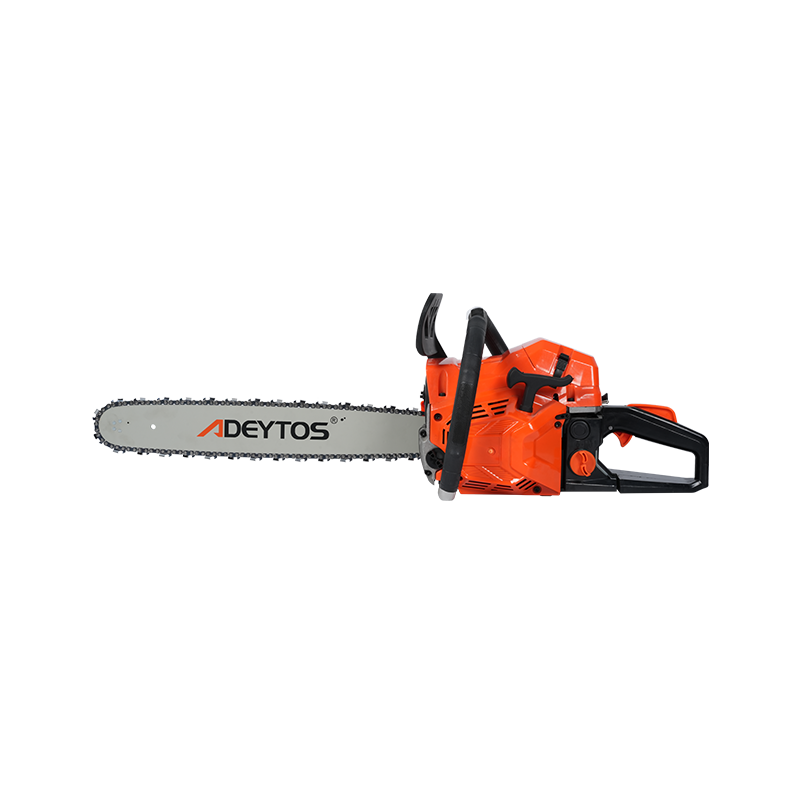
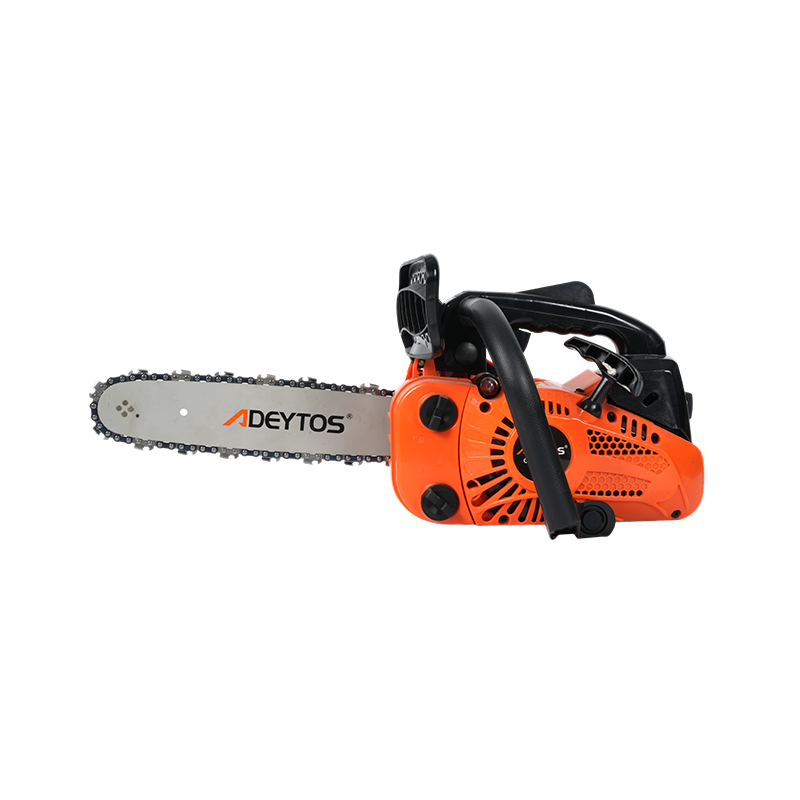
Farmers, gardeners, farm workers, and artisans consistently love particularly powerful tools. Our chain saws are specifically designed to meet their standards. Whether you are cutting firewood, trimming trees, repairing shrubs, or changing the shape of joists, ADEYTOS' rugged chain saws are ideal for combining high power and ease of use. Whether in orchards, parks, gardens or construction sites, our chainsaws can perform their functions well.

Yongkang Adeytos Industry and Trade Co., Ltd.
About ADEYTOS

Yongkang Adeytos Industry and Trade Co., Ltd. was founded in 2025 and was formerly known as Yongkang Jiemida Industry and Trade Co., LTD.
The company is located in the enterprise park of Yongkang City, Zhejiang Province, covering an area of 18,000 square meters. It currently has over 150 employees.
Relying on its strong financial and technical strength, the company is involved in multiple product series such as gasoline chain saws, brush cutters, hedge trimmers, blowers, suction fans, and lithium battery tools. It has formed an annual production capacity of over one million units of various garden and agricultural machinery products.
The ADEYTOS trademark of the company is a well-known trademark in Yongkang City. The products it manufactures have passed the national ISO-9000 and CE.GS certifications. The various indicators of the product have reached an advanced level compared to similar products at home and abroad, and it enjoys a very good reputation and credibility internationally. As a China Chainsaws supplier and Chainsaws factory, we are mainly engaged in wholesale Chainsaws. The market share in both domestic and international markets has risen significantly. A large number of products are exported to Russia, Europe, America, the Middle East, and other regions, and are deeply favored by a wide range of users.

News and Information

Chainsaws Industry knowledge

Why does factory production consistency matter?

A Professional Gasoline Chainsaw Factory is typically evaluated by how stable its production system remains across different batches of machines. In real manufacturing environments, consistency affects everything from engine assembly precision to chain alignment accuracy and vibration control. For distributors searching for gasoline chainsaw factory supplier OEM or wholesale forestry equipment solutions, these factors directly influence long-term operational reliability in the field.

Within a Professional Gasoline Chainsaw Factory setup, production lines are usually divided into machining, engine assembly, testing, and packaging sections. Each step contributes to ensuring that tolerances remain within acceptable ranges. For example, crankshaft alignment and carburetor calibration must be repeated uniformly across thousands of units to avoid inconsistent cutting behavior.

Another important aspect is material sourcing. Steel guide bars, chain teeth, hardness treatment, and fuel system components must follow standardized specifications. Factories that implement structured quality control systems can reduce deviation between batches, which is especially important for export-oriented markets where compliance with safety regulations varies by region.

In addition, OEM and ODM services are often integrated into a Professional Gasoline Chainsaw Factory workflow. This allows buyers to request customized chain lengths, engine displacement options, or ergonomic handle designs based on regional forestry conditions. Such flexibility is essential for markets where wood types differ significantly, from soft pine forests to dense hardwood environments.

Why does factory production consistency matter?

A Chainsaw is a compact mechanical system designed to convert engine power into rotational chain movement for cutting wood fibers. Although the concept appears simple, the internal engineering involves precise coordination between combustion output, clutch engagement, and chain speed control.

How a chainsaw operates safely under varying load conditions depends largely on its internal design. When the engine speed increases, a centrifugal clutch engages, transferring torque to the guide bar.

From a user perspective, different types of chainsaws are selected based on cutting scenarios. Light-duty models are commonly used for garden pruning or small branch trimming, while medium and heavy-duty versions are applied in logging and timber processing. Search intent such as "gasoline chainsaw for wood cutting maintenance" or "portable chainsaw for forestry trimming tasks," reflects the growing segmentation in user needs.

Safety systems also play a significant role in Chainsaw design. Chain brakes, anti-kickback bars, and throttle locks are integrated to reduce accidental activation or sudden recoil during operation. These mechanisms are not optional in modern equipment; they are expected features in many regulated markets.

Maintenance behavior is another key consideration. A Chainsaw requires periodic chain sharpening, air filter cleaning, and fuel mixture adjustment. Improper maintenance often causes uneven cutting performance or excessive engine wear. Therefore, instructional support from manufacturers is often as important as the product itself, especially for first-time users or small-scale operators.

How is wood cutting chainsaw used in forestry work?

A Wood Cutting Chainsaw is specifically designed for handling raw timber processing, forestry clearing, and firewood preparation tasks. Unlike light trimming tools, this category emphasizes torque stability, cutting depth, and resistance to continuous load conditions.

How is wood cutting chainsaw used in forestry work depends on terrain, wood density, and operational duration. In logging environments, operators often work on uneven ground where stability and balance are critical. A well-structured handle design and anti-vibration system help reduce operator fatigue during extended cutting sessions.

Engine displacement is one of the key factors influencing performance. Larger displacement engines generate higher torque, making them suitable for dense hardwood cutting. However, increased power must be balanced with fuel efficiency and heat management systems to maintain stable operation.

In professional forestry applications, wood-cutting chainsaw equipment is often used in stages. Initial felling is followed by branch removal and trunk sectioning. Each stage requires different cutting angles and chain speeds, which is why adjustable throttle control is widely implemented.

Environmental conditions also affect performance. Cold climates may require modified carburetor settings to ensure smooth ignition, while humid environments demand better sealing systems to prevent moisture interference in the engine housing.