


 English
 中文简体
中文简体
ADEYTOS
ADEYTOS
ADEYTOS
ADEYTOS
ADEYTOS
ADEYTOS
ADEYTOS
ADEYTOS
ADEYTOS
ADEYTOS
ADEYTOS
ADEYTOS
ADEYTOS
ADEYTOS
ADEYTOS
ADEYTOS

Sale Engine
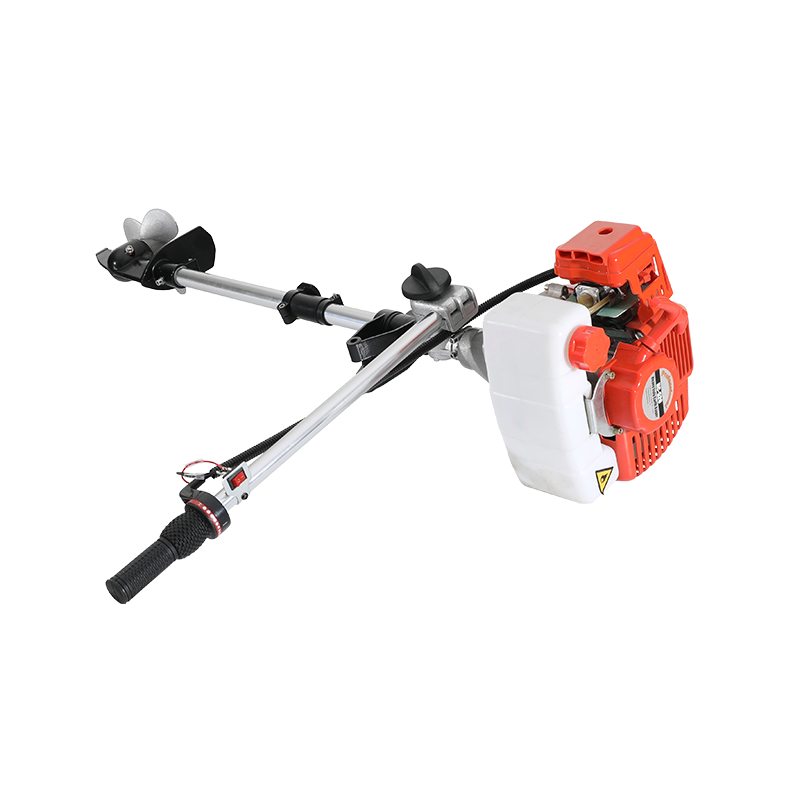
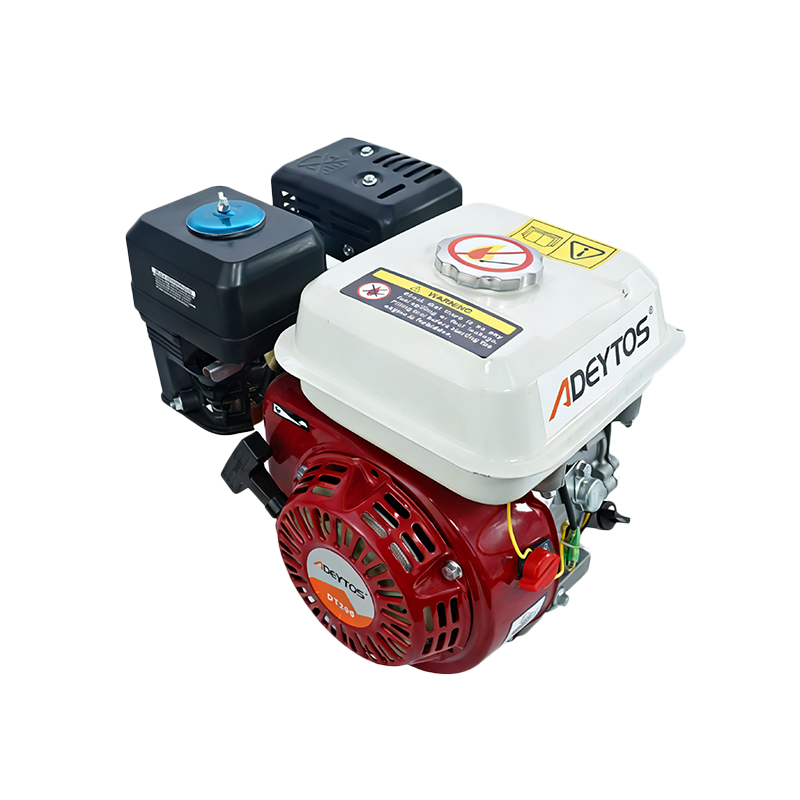
ADEYTOS engines serve as the core power unit widely used on chainsaws, brush cutters, water pumps, micro tillers, and other equipment. Two-stroke and four-stroke series are available, with displacements from 25cc to 210cc and power output from 0.7kW to 5.5kW. Cylinder plating (chrome or ceramic coating) enhances wear resistance and sealing. The carburetor is calibrated for consistent cold-start performance. The ignition system is a fully transistorized, contactless type with accurate ignition timing. Air filtration uses dual-layer foam or paper filter elements for easy cleaning. A variety of output shaft interfaces are available to match clutches, pump shafts, and gearboxes.
About ADEYTOS
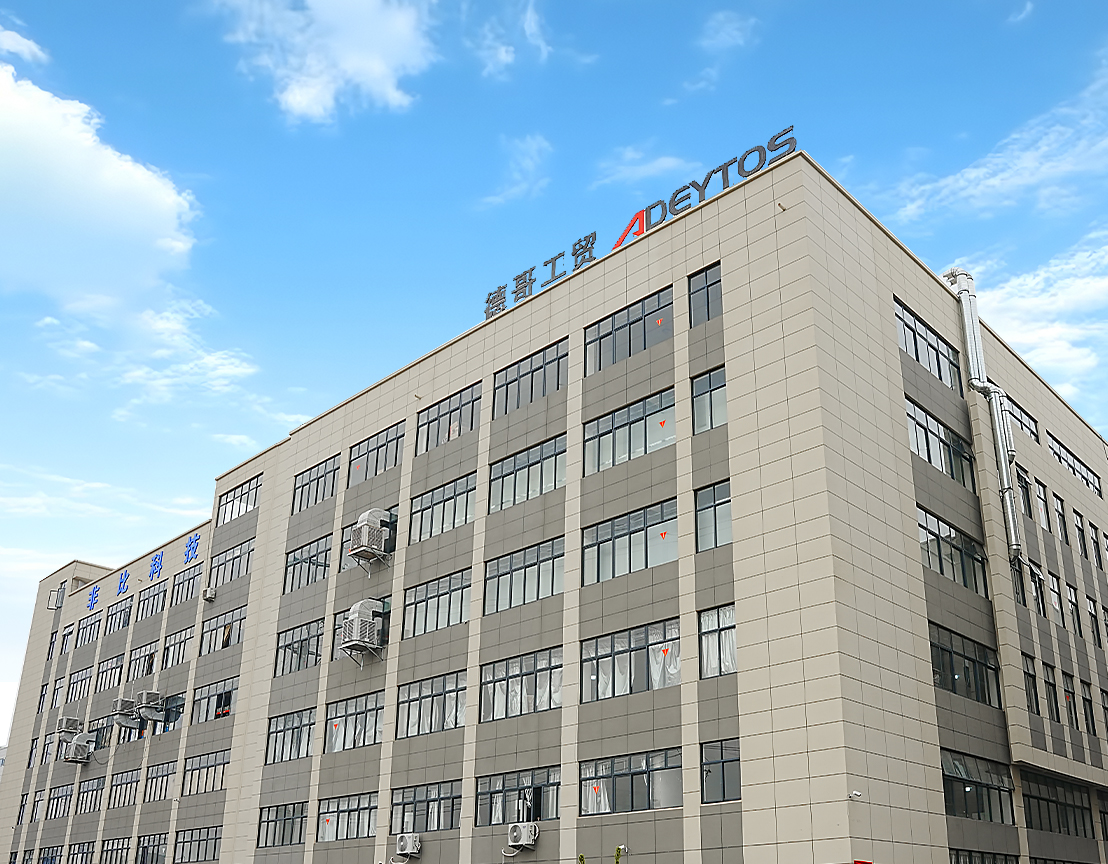
Yongkang Adeytos Industry and Trade Co., Ltd. was founded in 2025 and was formerly known as Yongkang Jiemida Industry and Trade Co., LTD.
The company is located in the enterprise park of Yongkang City, Zhejiang Province, covering an area of 18,000 square meters. It currently has over 150 employees.
Relying on its strong financial and technical strength, the company is involved in multiple product series such as gasoline chain saws, brush cutters, hedge trimmers, blowers, suction fans, and lithium battery tools. It has formed an annual production capacity of over one million units of various garden and agricultural machinery products.
The ADEYTOS trademark of the company is a well-known trademark in Yongkang City. The products it manufactures have passed the national ISO-9000 and CE.GS certifications. The various indicators of the product have reached an advanced level compared to similar products at home and abroad, and it enjoys a very good reputation and credibility internationally. As a China Engine supplier and Engine factory, we are mainly engaged in wholesale Engine . The market share in both domestic and international markets has risen significantly. A large number of products are exported to Russia, Europe, America, the Middle East, and other regions, and are deeply favored by a wide range of users.
News and Information
-
How Can Portable Gasoline Generators Stay Reliable on Changing Job Sites?
Temporary power requirements can change quickly on construction sites, farms, outdoor maintenance projects, workshops, and emergency work areas. A gen...
view More
Oct 16, 2026
-
What Should Buyers Check Before Choosing a Portable Gasoline Generator for Backup Power?
Power interruptions caused by severe weather, infrastructure problems, or temporary site conditions continue to make backup power an important conside...
view MoreOct 09, 2026
-
How Can Buyers Choose a Portable Gasoline Generator for Real-World Power Needs?
For contractors, outdoor operators, distributors, and businesses preparing for power interruptions, choosing the right generator is not simply a matte...
view MoreOct 02, 2026
-
How Can Easier Maintenance Improve the Practical Value of a Gasoline Earth Auger?
For contractors, landscapers, agricultural users and equipment distributors, an earth auger is expected to perform reliably across repeated drilling t...
view MoreSep 25, 2026
Engine Industry knowledge
What factors define the supplier selection process?
A Portable Gasoline Engine Power Generators Supplier typically operates within a supply chain that integrates combustion technology, alternator systems, and fuel efficiency design. Buyers in this category are often focused on understanding how a supplier manages consistency in output power, component sourcing, and long-term operational stability of generator sets rather than surface-level specifications.
In real procurement scenarios, distributors evaluating a Portable Gasoline Engine Power Generators Supplier often look at production adaptability. This includes whether the supplier can support different wattage ranges, such as small household backup units or mid-sized construction site generators. Another important consideration is compatibility between engine performance and generator load response, which directly affects voltage stability during fluctuating demand.
From a search intent perspective, users also explore long-tail queries like "portable gasoline generator supply for construction tools" or "small fuel generator systems for emergency power use." These queries highlight practical application needs rather than theoretical specifications. In many cases, suppliers that provide detailed technical documentation, fuel consumption data, and maintenance intervals tend to better align with professional buyers.
Logistics capability is another factor that defines supplier positioning. A Portable Gasoline Engine Power Generators Supplier must manage export packaging standards, vibration protection during transport, and compliance with regional emission requirements. These elements influence whether the generator can be smoothly integrated into overseas markets without additional modification.
Which engine types suit industrial applications?
The Engine serves as the central mechanical component in any gasoline-powered system, converting fuel into rotational energy. In industrial and commercial applications, the selection of an Engine is not limited to horsepower alone but extends to torque stability, fuel combustion efficiency, and structural durability under continuous load.
Different configurations of the Engine are designed for different operational environments. For example, overhead valve (OHV) structures are often used in compact machinery due to improved fuel efficiency and reduced heat generation. Meanwhile, single-cylinder air-cooled designs are more commonly found in portable systems because of their simplified maintenance requirements and reduced manufacturing complexity.
Search behavior related to Engine components often includes phrases such as "gasoline engine performance for generators," "small industrial combustion engine specifications," and "air-cooled engine durability comparison." These reflect a strong focus on functional reliability in real-world usage rather than abstract engineering principles.
In practical deployment, the Engine must also align with load variation conditions. Industrial users frequently operate machinery under inconsistent demand, meaning the engine must maintain stable RPM levels without excessive fuel fluctuation. This is especially important in generator systems where voltage regulation depends heavily on consistent mechanical input.
Maintenance accessibility is another factor influencing engine selection. A well-structured Engine design allows easier access to spark plugs, air filters, and carburetor systems, which reduces downtime during field operations. For suppliers and manufacturers, balancing performance output with serviceability remains a key engineering challenge.
Why garden gasoline engine support outdoor tasks?
The Garden Gasoline Engine is specifically designed for landscaping, agricultural maintenance, and small-scale outdoor work environments. Unlike industrial engines used in heavy machinery, this category prioritizes maneuverability, moderate power output, and ease of operation for non-industrial users.
A Garden Gasoline Engine is commonly integrated into equipment such as lawn mowers, tillers, hedge trimmers, and small irrigation pumps. Its design focuses on providing sufficient torque for cutting, digging, or rotating tasks while maintaining manageable fuel consumption levels. In many cases, users search for "gasoline engine for garden equipment maintenance" or "small engine for backyard soil tilling machine," indicating a demand for practical and task-oriented solutions.
Noise control and vibration reduction are also important aspects of a Garden Gasoline Engine. Since these engines are often used in residential or semi-residential environments, manufacturers design muffler systems and balanced crankshaft structures to reduce operational disturbance. This makes long-duration garden work more manageable for users.
Fuel flexibility is another consideration. Some Garden Gasoline Engine models are designed to operate under varying fuel qualities, which is particularly useful in regionshere fuel consistency may vary. Additionally, simplified starting systems, such as recoil starters, improve usability for non-professional operators.
From a maintenance perspective, users often prioritize easy cleaning and replaceable air filters. Seasonal usage patterns also influence design decisions, as garden engines may remain idle for extended periods before reuse. This requires fuel system stability to prevent clogging or residue buildup.
Quick Links
Salesman
 James Ying
 Phone: +86-19957983888
 Tel: +86-579-87442360
 Fax: +86-579-87442360
 E-mail:[email protected]
- zachary zhang
- Phone: +86-15988579999
- E-mail: [email protected]
Factory Address
-
 No. 2, Lianjie Industrial Base, Zhiying Town, Yongkang City, Jinhua City, Zhejiang Province, China
Mobile
Copyright © Yongkang Adeytos Industry and Trade Co., Ltd.
All Rights Reserved.
 Sale Garden Gasoline Engine