


 English
 中文简体
中文简体
ADEYTOS
ADEYTOS
ADEYTOS
ADEYTOS
ADEYTOS
ADEYTOS
ADEYTOS
ADEYTOS
ADEYTOS
ADEYTOS
ADEYTOS
ADEYTOS
ADEYTOS
ADEYTOS
ADEYTOS
ADEYTOS

Industry News
Industry News
How To Choose a Sale Garden Strimmer For Yard Maintenance Needs
Seasonal demand for outdoor power equipment continues to shift as distributors and contractors seek practical tools for landscaping, forestry, and agricultural work. In recent trade updates, the terms Sale Garden Strimmer, Wholesale Brush Cutter Mower, and Chainsaw Tree Cutting Machine Exporter have appeared frequently across procurement discussions, reflecting growing interest in multi-scenario equipment sourcing. Buyers are no longer focused only on pricing but also on compatibility, maintenance cycles, and long-term usability in different environments.
Application Differences Between Cutting Tools
A common question among buyers is how to distinguish between a strimmer, a brush cutter mower, and a chainsaw in real working conditions. Although all three belong to outdoor power equipment, their functions vary significantly.
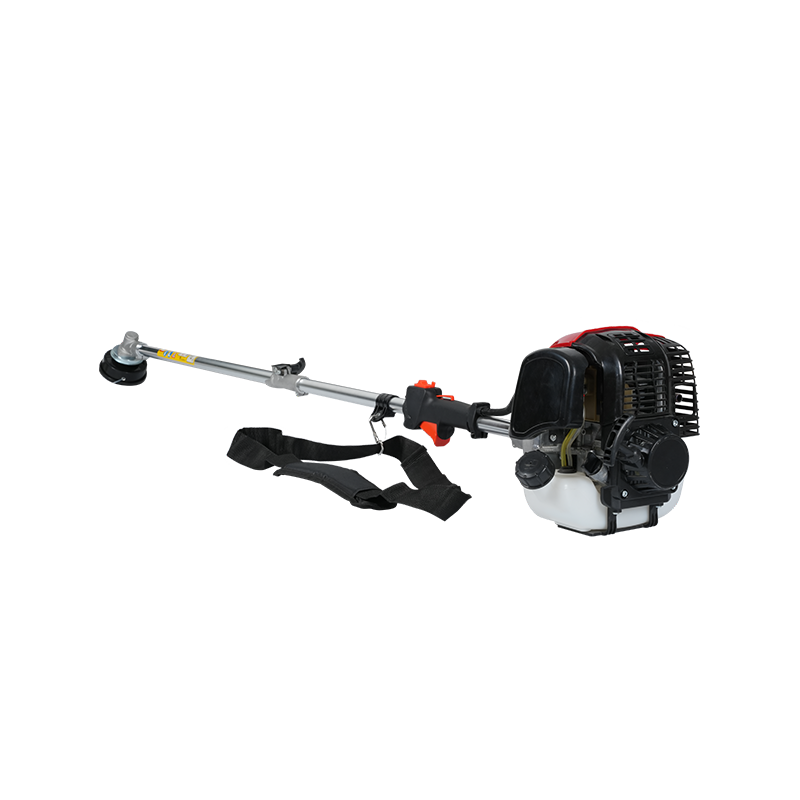
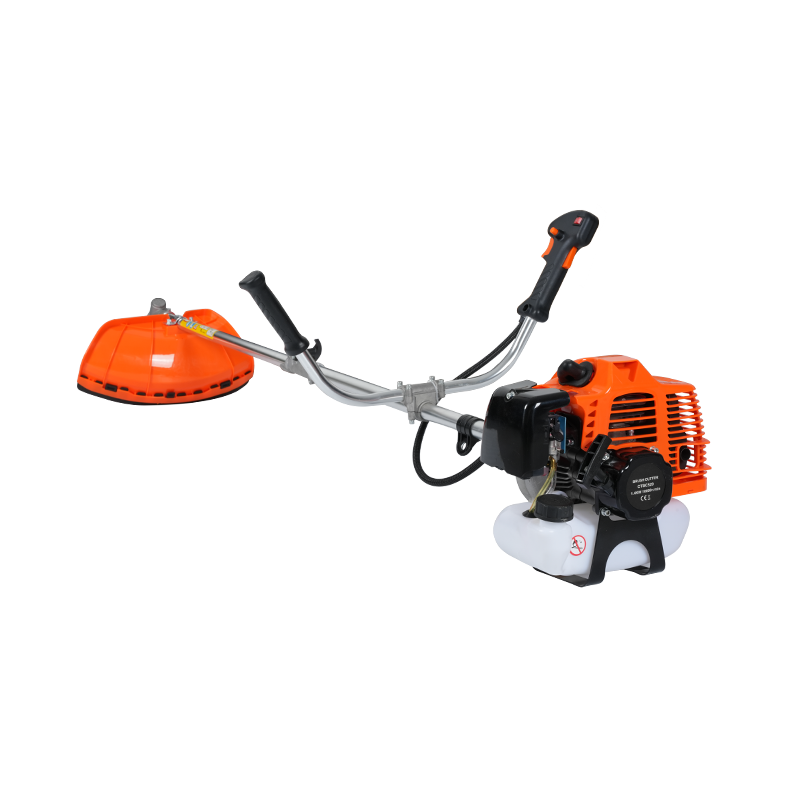
A garden strimmer is typically used for trimming grass edges, weeds, and light vegetation. It works well in areas where lawn mowers cannot reach, such as around fences, trees, or uneven terrain. In contrast, a brush cutter mower is designed for denser vegetation, including thick grass, shrubs, and even small saplings. It is often equipped with metal blades or heavy-duty nylon lines, making it suitable for agricultural fields and roadside maintenance.
Chainsaw machines are used for cutting wood, including tree trunks and branches. Their application extends from forestry operations to construction and emergency cleanup after storms. Understanding these differences helps buyers avoid mismatched equipment that may cause inefficiency or increased operational costs.
Why Demand For Multi-Functional Equipment Is Increasing
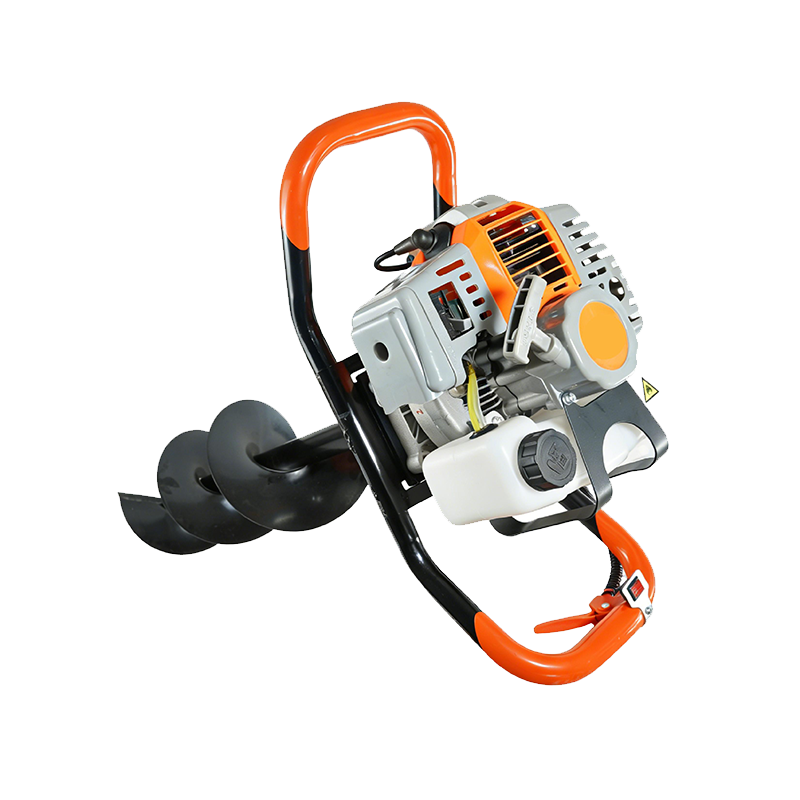
Market feedback shows that buyers prefer equipment capable of handling multiple tasks. This trend explains the increasing attention on Wholesale Brush Cutter Mower products, which often support interchangeable cutting heads. A single machine can switch between trimming grass and clearing bushes, reducing the need for multiple tools.
Similarly, some modern strimmers offer attachments that extend their functionality. This modular approach is particularly useful for small contractors or distributors managing limited storage space. It also simplifies maintenance since fewer engines are involved.
However, multi-functionality introduces complexity. Buyers must evaluate whether attachments are easy to install, whether spare parts are accessible, and whether the engine power is sufficient for heavier tasks.
What Should Buyers Check Before Purchasing A Garden Strimmer
When evaluating a Sale Garden Strimmer, several technical factors should be reviewed carefully.
Engine type plays a central role. Gasoline-powered models provide mobility and higher output, making them suitable for large outdoor areas. Electric or battery-powered versions are quieter and require less maintenance, but their runtime and power output may be limited.
Cutting width is another important parameter. A wider cutting diameter increases efficiency but may reduce precision in tight spaces. Shaft design also matters, as straight shafts are generally used for professional applications, while curved shafts are often preferred for lighter residential work.
Ergonomics should not be overlooked. Adjustable handles, shoulder straps, and vibration control can influence operator comfort during extended use. These factors are particularly relevant for commercial users who operate equipment for several hours daily.
How Wholesale Brush Cutter Mower Impacts Field Efficiency
Procurement teams often focus on unit cost, but operational efficiency is equally important. A Wholesale Brush Cutter Mower can significantly reduce labor time when dealing with dense vegetation.
Blade selection directly affects performance. Metal blades are suitable for cutting thick brush and small trees, while nylon lines are better for grass and weeds. Some models allow quick switching between these options, improving flexibility.
Fuel consumption is another factor that affects long-term cost. Machines with optimized engine design can reduce fuel usage while maintaining stable output. This is particularly relevant for large-scale landscaping projects where equipment operates continuously.
Durability is also tied to material selection. Gearboxes, shafts, and cutting heads should be made from materials that can withstand high-speed rotation and impact. Buyers should review product specifications and testing data when available.
What Role Does A Chainsaw Tree Cutting Machine Exporter Play
Exporters are not only suppliers but also intermediaries who ensure that products meet the standards of different markets. A Chainsaw Tree Cutting Machine Exporter must consider regulatory requirements, such as emissions standards, safety certifications, and packaging regulations.
For example, chainsaws exported to North America may need to comply with EPA emission standards, while European markets often require CE certification. Failure to meet these requirements can result in shipment delays or product rejection.
Exporters also handle logistics, including packaging design that protects machines during transportation. Chainsaws contain sensitive components such as guide bars and chains, which must be secured properly to prevent damage.
After-sales support is another aspect often discussed in procurement. Buyers may need access to spare parts, technical manuals, and troubleshooting guidance. Exporters who provide clear documentation and communication channels can reduce downtime for end users.
How To Balance Cost And Performance In Bulk Purchasing
Bulk purchasing decisions often involve trade-offs between initial cost and long-term value. While lower-priced equipment may reduce upfront investment, it can cause higher maintenance expenses if components wear out quickly.
Buyers should consider lifecycle cost, which includes fuel consumption, spare parts replacement, and maintenance labor. For instance, a slightly higher-priced brush cutter with better fuel efficiency may result in lower overall expenditure over time.
Warranty terms also provide insight into product durability. Longer warranty periods may indicate that manufacturers have confidence in their products, although buyers should review the coverage details carefully.
Another consideration is compatibility with existing equipment. Standardized parts and accessories can simplify inventory management and reduce procurement complexity.
Maintenance Considerations For Long-Term Use
Proper maintenance extends the lifespan of outdoor power equipment and ensures consistent performance. For strimmers and brush cutters, regular inspection of cutting heads, fuel systems, and air filters is essential.
Chainsaws require additional attention due to their cutting chains and guide bars. Chain tension must be adjusted regularly, and lubrication systems should be checked to prevent overheating. Sharpening the chain improves cutting efficiency and reduces strain on the engine.
Storage conditions also affect equipment longevity. Machines should be kept in dry environments to prevent corrosion. Fuel systems should be drained or stabilized if the equipment is not used for extended periods.
Training operators on correct usage can reduce wear and tear. Improper handling often causes premature component failure, which increases maintenance costs.
How Market Trends Are Influencing Equipment Design
Recent developments in outdoor equipment design reflect changing user expectations. Manufacturers are focusing on reducing vibration and noise levels to improve user comfort. Lightweight materials are being introduced to make equipment easier to handle without compromising strength.
Battery technology is also evolving, allowing electric models to achieve longer runtime and higher outputs. Although gasoline-powered machines remain widely used, battery-powered alternatives are gaining attention in urban environments where noise and emissions are regulated.
Digital features are gradually being integrated into equipment. Some models include indicators for maintenance schedules or fuel levels, helping users manage operations more effectively.
What Buyers Should Ask Before Choosing An Export Partner
Selecting an export partner involves more than comparing product catalogs. Buyers should ask about production capacity and quality control processes.
Factory audits or virtual inspections can provide insight into manufacturing practices. Understanding how products are tested before shipment helps assess consistency.
Communication is another critical factor. Clear and timely responses can prevent misunderstandings during order processing. Documentation, including user manuals and technical specifications, should be provided in the required language.
Shipping arrangements should also be clarified, including packaging methods, delivery timelines, and insurance coverage. These details affect the overall procurement experience.
Where Outdoor Equipment Procurement Is Heading Next
The market for landscaping and forestry equipment continues to evolve as users seek practical solutions for diverse working conditions. Products associated with Sale Garden Strimmer, Wholesale Brush Cutter Mower, and Chainsaw Tree Cutting Machine Exporter are increasingly evaluated based on adaptability, maintenance requirements, and compliance with regional standards.
As buyers refine their purchasing strategies, the focus is shifting toward equipment that supports efficient operation across multiple scenarios while remaining manageable in terms of maintenance and logistics.
Quick Links
Salesman
 James Ying
 Phone: +86-19957983888
 Tel: +86-579-87442360
 Fax: +86-579-87442360
 E-mail:[email protected]
- zachary zhang
- Phone: +86-15988579999
- E-mail: [email protected]
Factory Address
-
 No. 2, Lianjie Industrial Base, Zhiying Town, Yongkang City, Jinhua City, Zhejiang Province, China
Mobile
Copyright © Yongkang Adeytos Industry and Trade Co., Ltd.
All Rights Reserved.
 China Brush Cutter Mower