


 English
 中文简体
中文简体
ADEYTOS
ADEYTOS
ADEYTOS
ADEYTOS
ADEYTOS
ADEYTOS
ADEYTOS
ADEYTOS
ADEYTOS
ADEYTOS
ADEYTOS
ADEYTOS
ADEYTOS
ADEYTOS
ADEYTOS
ADEYTOS

Industry News
Home / News / Industry News / How Can Easier Maintenance Improve the Practical Value of a Gasoline Earth Auger?
Industry News
How Can Easier Maintenance Improve the Practical Value of a Gasoline Earth Auger?
For contractors, landscapers, agricultural users and equipment distributors, an earth auger is expected to perform reliably across repeated drilling tasks, but its working condition depends heavily on routine maintenance. Dust, soil particles, fuel quality, engine heat and mechanical friction can gradually affect performance if they are not addressed. For buyers comparing equipment for professional applications, a Professional Gasoline Earth Augers Supplier should therefore provide more than a capable power unit. Maintenance access, service requirements and component inspection should also be considered before making a purchasing decision.
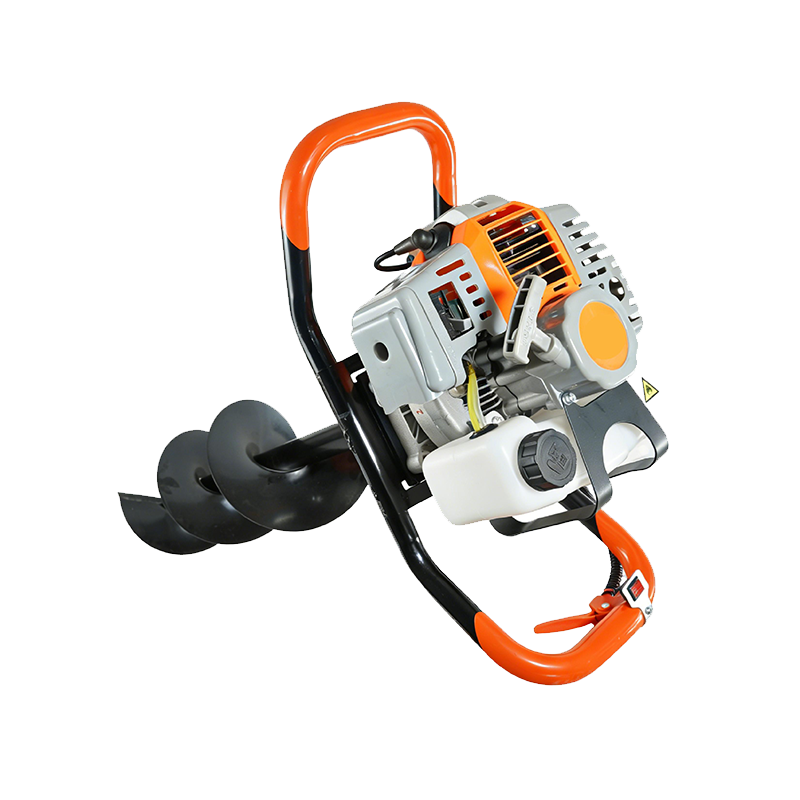
Air Filtration Matters in Dusty Jobsites
Earth drilling naturally exposes equipment to dust and loose particles. When an air filter becomes heavily contaminated, airflow to the engine can be restricted and engine performance may be affected. Manufacturer maintenance guidance commonly recommends inspecting or cleaning the air filter at regular intervals, with more frequent attention in dusty working environments.
For professional users, an easily accessible filter housing can make routine inspection more practical. This small design consideration can encourage operators to follow maintenance procedures instead of postponing them because servicing is inconvenient.
Keep the Power System Properly Lubricated
The gearbox transfers engine power to the auger and operates under repeated mechanical load. Appropriate lubrication is therefore an important part of maintaining the drive system.
Maintenance schedules differ between machine designs, so operators should always follow the manufacturer's specified lubricant and service interval. Some current earth auger manuals include regular gearbox lubrication as part of routine maintenance.
For buyers, this creates a useful supplier-evaluation question: how easy is it to access the gearbox service point, and what maintenance information is provided with the machine?
Fuel Quality Can Affect Long-Term Storage
Gasoline-powered equipment requires attention to fuel handling, particularly when the auger will remain unused for an extended period. Stale fuel and deposits in the fuel system can create starting and running problems.
Storage procedures vary according to engine design, so the manufacturer's instructions should be followed rather than applying one fuel procedure to every machine. Some equipment manuals recommend specific steps for longer periods of non-use, including fuel-system preparation and storage in a dry, ventilated environment.
For distributors, clear storage instructions can also reduce avoidable service questions from end users.
Spark Plug Inspection Supports Reliable Starting
Starting performance is particularly important when contractors move between job sites and need equipment ready for operation. A contaminated or incorrectly maintained spark plug can affect engine starting and combustion.
Routine inspection should follow the engine manufacturer's requirements, including checking the plug condition and replacing it when necessary. Different engines have different service intervals, so a professional supplier should provide model-specific maintenance information rather than generic recommendations.
Easy access to service components can also make routine inspection more convenient for trained operators and technicians.
Inspect the Auger Before Every Job
Maintenance should not begin only when a problem appears. A short pre-operation inspection can identify loose fasteners, damaged cutting components, misalignment or other visible issues before drilling starts.
A practical inspection can include:
- Checking bolts, nuts and mounting points
- Inspecting the auger bit for visible damage
- Looking for fuel leaks
- Checking moving parts for unusual resistance
- Removing accumulated soil and debris
- Confirming that handles and controls are in suitable condition
Equipment manuals commonly recommend checking the general condition of the auger before operation and investigating damaged or binding components.
Cleaning Should Match the Working Environment
Different jobsites create different maintenance demands. A machine used in dry, dusty soil may need more frequent cleaning than one used occasionally in cleaner conditions.
Removing accumulated soil from the bit and machine housing can help keep important areas accessible for inspection. Cooling passages also deserve attention because blocked airflow can interfere with heat dissipation from an air-cooled engine.
For professional equipment, maintenance instructions should clearly explain which areas require regular cleaning and which components need specialized service.
Evaluate Maintenance Support Before Buying
A gasoline earth auger should be assessed according to the entire ownership process, not only its engine displacement or drilling capacity. Maintenance requirements, service access, replacement components and technical documentation can influence how practical the machine becomes over time.
For overseas contractors, distributors and agricultural equipment buyers, choosing a Professional Gasoline Earth Augers Supplier means asking how the manufacturer supports routine servicing as well as initial equipment supply. A well-designed machine with accessible maintenance points, clear service guidance and compatible replacement components can make everyday upkeep more manageable and help users keep their drilling equipment ready for repeated field applications.
Quick Links
Salesman
 James Ying
 Phone: +86-19957983888
 Tel: +86-579-87442360
 Fax: +86-579-87442360
 E-mail:[email protected]
- zachary zhang
- Phone: +86-15988579999
- E-mail: [email protected]
Factory Address
-
 No. 2, Lianjie Industrial Base, Zhiying Town, Yongkang City, Jinhua City, Zhejiang Province, China
Mobile
Copyright © Yongkang Adeytos Industry and Trade Co., Ltd.
All Rights Reserved.
 China Brush Cutter Mower