


 English
 中文简体
中文简体
ADEYTOS
ADEYTOS
ADEYTOS
ADEYTOS
ADEYTOS
ADEYTOS
ADEYTOS
ADEYTOS
ADEYTOS
ADEYTOS
ADEYTOS
ADEYTOS
ADEYTOS
ADEYTOS
ADEYTOS
ADEYTOS

Industry News
Home / News / Industry News / What Should Buyers Check Before Choosing a Portable Gasoline Generator for Backup Power?
Industry News
What Should Buyers Check Before Choosing a Portable Gasoline Generator for Backup Power?
Power interruptions caused by severe weather, infrastructure problems, or temporary site conditions continue to make backup power an important consideration for households, contractors, workshops, farms, and small commercial facilities. For a Portable Gasoline Engine Power Generators Supplier, the key challenge is not simply providing an engine that produces electricity, but helping buyers select equipment that matches the actual load and operating environment. In 2026, generator safety remains part of the wider preparedness discussion, with U.S. authorities continuing to warn about carbon monoxide and fire risks during outage situations.
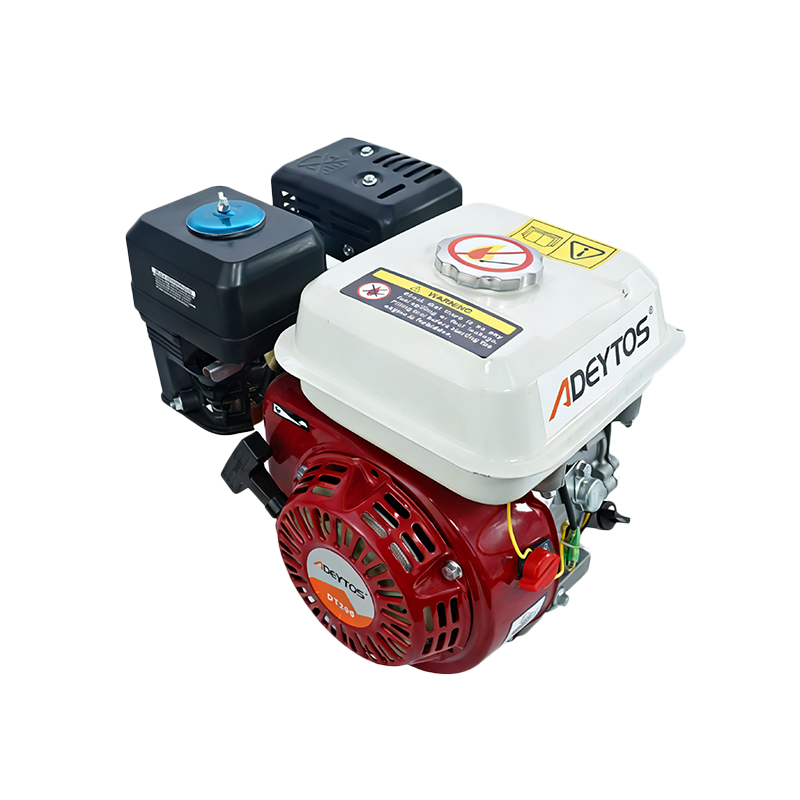
Start With the Loads You Actually Need
One common purchasing mistake is choosing a generator according to the total number of appliances rather than their actual electrical requirements. Some equipment also creates a higher starting demand than its normal running demand, particularly motors, pumps, compressors, and similar loads.
Before selecting a generator, buyers should make a practical load list covering:
- Rated running power of each important device
- Starting or surge requirements where applicable
- Which loads must operate simultaneously
- Which loads can be switched off when demand increases
- Required operating duration
This information gives engineers a more realistic basis for determining the appropriate generator capacity.
Consider the Working Environment
A portable gasoline generator may be used in very different environments, from emergency household backup to construction areas, agricultural operations, outdoor maintenance, and temporary commercial power. The environment affects how the generator should be selected and operated.
Portability, frame design, access to controls, fuel handling, ventilation, weather exposure, and transportation requirements can all influence the practical value of a unit. A generator intended for occasional movement may need a different configuration from equipment that is frequently transported between job sites.
Think About Starting Reliability
A generator is often purchased for situations when normal power is unavailable, so starting performance deserves attention before price becomes the deciding factor. Buyers should consider how the engine starts under the expected operating conditions and whether the starting system suits the users who will operate the equipment.
For fleet buyers or contractors, easy access to routine service points can also reduce unnecessary downtime. Controls should be understandable, while maintenance tasks should be possible without complicated procedures.
Fuel Management Matters During Extended Use
Gasoline generators depend on proper fuel management, particularly when they may remain in storage between emergency events. Fuel condition, storage practices, operating load, and maintenance can all affect readiness.
Procurement teams can establish a simple preparation routine:
- Inspect the generator before storage
- Follow the manufacturer's fuel-storage instructions
- Check oil and other required service items
- Run the equipment according to the recommended maintenance schedule
- Confirm that cables and connections are in usable condition
A generator that starts easily after long periods of inactivity is more useful than one that is only tested when an outage has already occurred.
Safety Must Be Part of the Selection Process
Portable gasoline generators produce exhaust containing carbon monoxide, so operating location is a critical safety consideration. The U.S. Consumer Product Safety Commission advises using portable generators outdoors and away from homes, doors, windows, and vents; its 2026 hurricane-season guidance also emphasizes following manufacturer instructions and maintaining the equipment properly.
For buyers, this means safety should be considered alongside electrical output, engine design, and portability. A generator should never be treated as suitable for indoor operation simply because a garage door or window is open.
Maintenance Access Can Influence Long-Term Value
For commercial users, contractors, and equipment distributors, maintenance is part of the purchasing decision. Routine inspection becomes easier when important components are accessible and service requirements are clearly documented.
A manufacturer should be able to explain the recommended maintenance intervals, compatible service parts, engine requirements, and basic troubleshooting process. Clear technical communication is especially useful for overseas buyers managing equipment after delivery.
Select a Manufacturer That Understands the Application
A generator specification sheet provides useful information, but it cannot replace an understanding of how the equipment will actually be used. From a manufacturer's perspective, the most effective selection process starts with the buyer's load requirements, working environment, expected operating pattern, transportation needs, and maintenance conditions. A capable Portable Gasoline Engine Power Generators Supplier should be able to discuss these factors before recommending a configuration, helping overseas buyers choose portable gasoline engine power generators that are practical for their intended application rather than simply purchasing according to headline output.
Quick Links
Salesman
 James Ying
 Phone: +86-19957983888
 Tel: +86-579-87442360
 Fax: +86-579-87442360
 E-mail:[email protected]
- zachary zhang
- Phone: +86-15988579999
- E-mail: [email protected]
Factory Address
-
 No. 2, Lianjie Industrial Base, Zhiying Town, Yongkang City, Jinhua City, Zhejiang Province, China
Mobile
Copyright © Yongkang Adeytos Industry and Trade Co., Ltd.
All Rights Reserved.
 China Brush Cutter Mower