


 English
 中文简体
中文简体
ADEYTOS
ADEYTOS
ADEYTOS
ADEYTOS
ADEYTOS
ADEYTOS
ADEYTOS
ADEYTOS
ADEYTOS
ADEYTOS
ADEYTOS
ADEYTOS
ADEYTOS
ADEYTOS
ADEYTOS
ADEYTOS

Industry News
Home / News / Industry News / Why Are Smart Outdoor Maintenance Tools Redefining the Power Equipment Industry?
Industry News
Why Are Smart Outdoor Maintenance Tools Redefining the Power Equipment Industry?
The global power equipment industry is undergoing a noticeable shift driven by rising demand for efficiency, durability, and safer operation in outdoor maintenance work. From forestry operations and landscaping services to construction site preparation, users are increasingly evaluating tools based on long-term reliability, ergonomics, and maintenance costs rather than simple purchase price. In this evolving landscape, the role of a Professional Power Tools Supplier is becoming more important as buyers look for consistent quality, stable supply chains, and equipment that can perform under demanding working conditions.
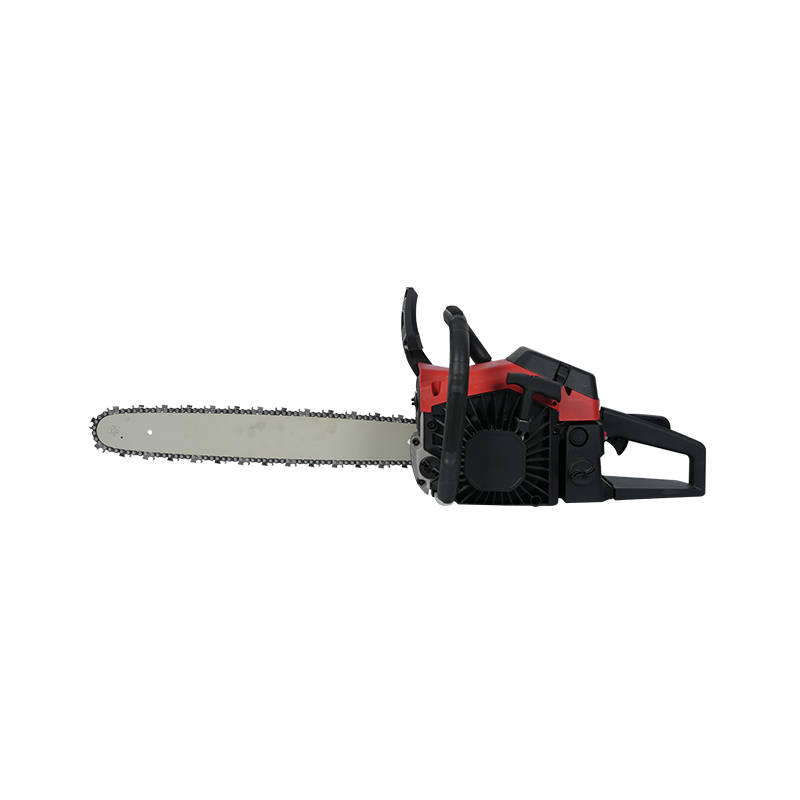
Recent search behavior among procurement teams and end users shows growing interest in fuel efficiency optimization, vibration control systems, and long-life engine performance for heavy-duty outdoor applications.
Why Is Long-Term Durability a Key Purchasing Decision Factor?
Outdoor power tools are often used in harsh environments where dust, moisture, temperature changes, and heavy workloads are common. This makes durability one of the most important evaluation criteria.
Buyers are prioritizing tools that offer:
- Resistance to mechanical wear under continuous use
- Stable performance in extreme weather conditions
- Extended service life with fewer breakdowns
- Reduced maintenance frequency and cost
Durability directly influences productivity and overall operational efficiency.
How Is Engine Optimization Improving Gasoline Equipment Performance?
Modern gasoline-powered tools are evolving to meet stricter efficiency and environmental expectations while maintaining high cutting performance. Engine refinement has become a key area of innovation.
Key improvements include:
- More efficient fuel combustion systems
- Reduced emissions during operation
- Improved power output stability under load
- Enhanced carburetor and air filtration systems
These advancements help operators achieve better performance with lower fuel consumption.
Why Is Anti-Vibration Technology Becoming Essential?
Long-term operation of chainsaws and similar tools can lead to operator fatigue and reduced precision. As a result, vibration control has become a core design requirement.
Industry improvements focus on:
- Reduced handle vibration transmission
- Improved internal balancing of engine components
- Shock-absorbing structural design
- Enhanced operator comfort during long shifts
Better vibration control directly improves safety and productivity.
How Is Safety Engineering Evolving in Power Tools?
Safety regulations and user expectations are becoming more strict across global markets. Manufacturers are integrating advanced protection features into equipment design.
Common safety enhancements include:
- Fast-response chain brake systems
- Anti-kickback protection mechanisms
- Improved hand guard structures
- Safer startup and idle control systems
These features are essential for professional-grade outdoor tools.
Why Is Maintenance Accessibility Important for Industrial Buyers?
In professional environments, downtime caused by maintenance or repairs can significantly impact project timelines and labor efficiency. Easy maintenance design is therefore a key requirement.
Buyers are focusing on:
- Simplified replacement of wearable components
- Standardized spare part compatibility
- Clear maintenance structure for technicians
- Faster servicing in field conditions
Efficient maintenance design helps reduce total operating costs.
Manufacturer Insight: What Are Global Buyers Expecting Today?
As a manufacturer in the outdoor power equipment sector, we observe a clear shift toward system reliability and lifecycle performance. Buyers are no longer only evaluating raw specifications—they are assessing total operational value.
Common OEM expectations include:
- Stable performance across different working environments
- Consistent quality across production batches
- Customizable configurations for different markets
- Reliable long-term supply capability
This reflects the increasing maturity of the global outdoor power tools industry.
Are Performance and Safety Defining the Future of Power Equipment?
As outdoor work becomes more demanding and efficiency-focused, equipment performance, safety, and durability are becoming key decision factors in procurement. Power tools are now essential productivity assets rather than simple mechanical devices.
In this context, partnering with a reliable Professional Gasoline Chainsaw Factory helps ensure stable performance, improved safety standards, and long-term value for global outdoor and industrial applications.
Quick Links
Salesman
 James Ying
 Phone: +86-19957983888
 Tel: +86-579-87442360
 Fax: +86-579-87442360
 E-mail:[email protected]
- zachary zhang
- Phone: +86-15988579999
- E-mail: [email protected]
Factory Address
-
 No. 2, Lianjie Industrial Base, Zhiying Town, Yongkang City, Jinhua City, Zhejiang Province, China
Mobile
Copyright © Yongkang Adeytos Industry and Trade Co., Ltd.
All Rights Reserved.
 China Brush Cutter Mower