


 English
 中文简体
ADEYTOS
ADEYTOS
ADEYTOS
ADEYTOS
ADEYTOS
ADEYTOS
ADEYTOS
ADEYTOS
ADEYTOS
ADEYTOS
ADEYTOS
ADEYTOS
ADEYTOS
ADEYTOS
ADEYTOS
ADEYTOS

Industry News
Home / News / Industry News / What Makes a Portable Gasoline Generator Ready When Backup Power Is Needed?
Industry News
What Makes a Portable Gasoline Generator Ready When Backup Power Is Needed?
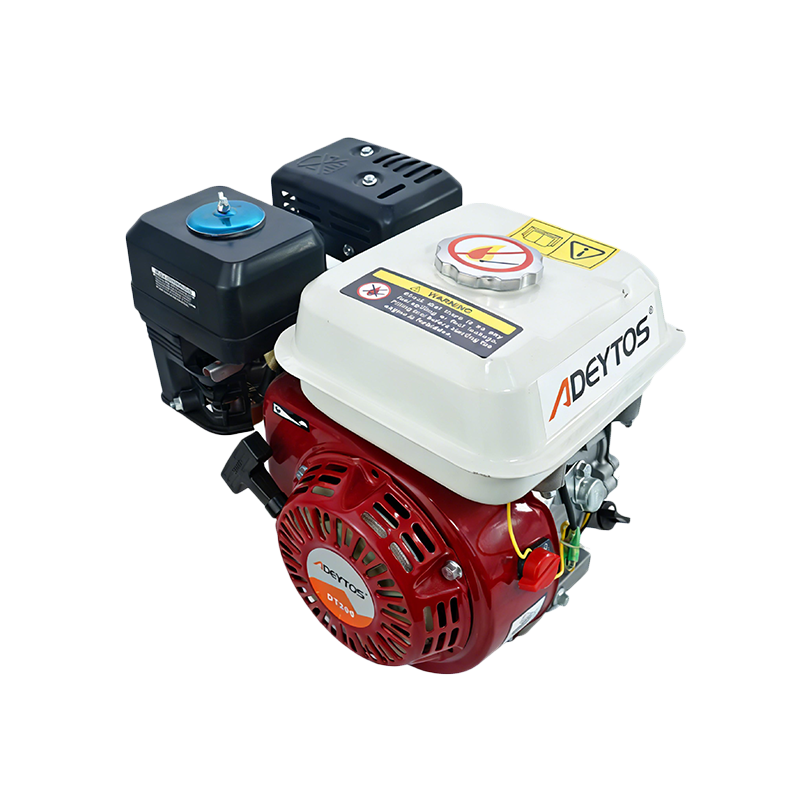
A portable generator is often purchased for a situation that may not happen every day. It may remain in storage for weeks or months before being needed for an outage, outdoor operation, emergency maintenance, or temporary power task. This creates a different purchasing concern from ordinary equipment: the generator needs to remain ready while it is not running. For buyers working with a Portable Gasoline Engine Power Generators Supplier, evaluating storage, maintenance, starting systems, fuel management, and service access can be just as important as comparing electrical output.
Storage Conditions Affect Equipment Readiness
A generator stored between uses still needs an appropriate environment. Moisture, dust, temperature changes, and poor ventilation can affect equipment condition over time.
The storage area should protect the generator from unnecessary exposure while allowing operators to access it for inspection. Buyers who manage several units may also benefit from recording when each generator was last operated and serviced.
This creates a simple maintenance history and reduces the chance that equipment is forgotten until an emergency occurs.
Fuel Management Should Be Planned
Gasoline-powered equipment requires particular attention to fuel handling and storage. Fuel left unmanaged for long periods can create starting and engine-operation problems, depending on the storage conditions and fuel system.
Rather than waiting until an outage occurs, users should follow the engine manufacturer's instructions for fuel storage, fuel-system preparation, and restarting after extended periods of inactivity.
For fleet operators, a basic checklist can include:
- Fuel condition and storage status
- Engine oil level
- Signs of leakage
- Battery or starting-system condition, where applicable
- Air intake and cooling areas
- Electrical cables and connectors
- General physical condition
Regular checks are easier to manage than emergency troubleshooting.
Starting Performance Deserves Attention
A backup generator has little practical value if operators cannot start it when power is interrupted. Starting performance can be influenced by fuel condition, engine maintenance, ambient conditions, and the condition of the starting system.
Buyers should therefore ask manufacturers about the recommended starting procedure and maintenance requirements. If the equipment will be used by different operators, straightforward controls and clear instructions can also reduce operating mistakes.
From a manufacturer's perspective, starting reliability should be considered during product development rather than treated only as a user-maintenance issue.
Service Access Can Save Time
Maintenance becomes easier when frequently serviced areas are accessible. Oil checks, air-filter service, spark plug inspection, fuel-system maintenance, and other routine tasks should follow the engine manufacturer's recommendations.
For commercial buyers and distributors, serviceability also affects the total ownership experience. A generator that can be inspected and maintained without unnecessary disassembly is more convenient for technicians responsible for multiple units.
This is why engineering teams should look beyond the external appearance of a portable generator during supplier evaluation.
Inspect the Electrical Side Too
Engine condition is only one part of generator readiness. Electrical connections, outlets, cables, switches, and protective components should also be checked according to the equipment instructions.
Damage caused during transportation or storage may not be obvious until the generator is needed. A pre-use inspection can identify visible problems before the unit is placed under electrical load.
For professional users, this inspection should become part of the normal operating procedure rather than an occasional response to a fault.
Keep a Record of Maintenance
When one generator is used by several people, verbal information can easily be lost. A simple maintenance record can show when the unit was operated, inspected, serviced, or reported with an abnormal condition.
Useful records may include:
- Operating date
- Maintenance performed
- Parts replaced
- Fuel-system observations
- Starting issues
- Unusual noise or vibration
- Next scheduled inspection
This information can also help a supplier or service technician understand the equipment's operating history when technical support is required.
Ask for Complete Technical Information
For overseas buyers, technical documentation is an important part of supplier evaluation. Product specifications should be supported by clear operating instructions, maintenance recommendations, parts information, and applicable safety guidance.
Distributors may also need documentation that can be passed to their own customers. A manufacturer that communicates these details clearly can make product training and after-sales support more manageable.
Choose for Readiness, Not Just Output
The value of a portable gasoline generator is ultimately connected to whether it can perform when the intended application requires power. Storage conditions, fuel management, starting performance, maintenance access, electrical inspection, and technical documentation all contribute to readiness. From a manufacturer's perspective, a Portable Gasoline Engine Power Generators Supplier should support buyers with equipment and technical information suited to real operating conditions, helping distributors, contractors, and end users keep their portable gasoline engine power generators prepared for the occasions when backup power is actually needed.
Quick Links
Salesman
 James Ying
 Phone: +86-19957983888
 Tel: +86-579-87442360
 Fax: +86-579-87442360
 E-mail:[email protected]
- zachary zhang
- Phone: +86-15988579999
- E-mail: [email protected]
Factory Address
-
 No. 2, Lianjie Industrial Base, Zhiying Town, Yongkang City, Jinhua City, Zhejiang Province, China
Mobile
Copyright © Yongkang Adeytos Industry and Trade Co., Ltd.
All Rights Reserved.
 China Brush Cutter Mower